, , , , , ,

Can I Get a Visa Upon Arrival in Vietnam?

Vietnam is one of the most beautiful and culturally diverse countries in Southeast Asia. With its stunning scenery, delicious food, and friendly people, it’s no wonder that more and more tourists are flocking to Vietnam each year. One question that many travelers ask is whether they can get a visa upon arrival in Vietnam. In this article, we will explore the various options available to travelers seeking entry into Vietnam.

Who Needs a Visa to Enter Vietnam?

The first thing to know is that not everyone needs a visa to enter Vietnam. Citizens from certain countries are exempt from requiring a visa for stays of up to a specified number of days. These countries include:

  • Thailand: 30 days
  • Indonesia: 30 days
  • Malaysia: 30 days
  • Singapore: 30 days
  • Laos: 30 days
  • Cambodia: 30 days
  • Philippines: 21 days
  • Brunei: 14 days
  • Japan: 15 days (until June 2021)

If you are a citizen of any of these countries, you can enter Vietnam without a visa for the specified period. However, if you plan to stay longer or are traveling from a country not on this list, you will need to obtain a visa.

Can I Get a Visa Upon Arrival in Vietnam?

What Types of Visas Are Available for Vietnam?

There are several types of visas available for those who require one to enter Vietnam. The most common types include:

Tourist Visa

A tourist visa is suitable for those visiting Vietnam for tourism purposes. It is valid for single or multiple entries and allows the holder to stay in Vietnam for up to 90 days. This type of visa can be obtained either in advance from a Vietnamese embassy or consulate or upon arrival at a designated airport in Vietnam.

Business Visa

A business visa is designed for those visiting Vietnam for work-related purposes, such as attending meetings or conferences. It is valid for single or multiple entries and allows the holder to stay in Vietnam for up to 90 days. This type of visa can also be obtained either in advance from a Vietnamese embassy or consulate or upon arrival at a designated airport in Vietnam.

Student Visa

A student visa is suitable for those who plan to study in Vietnam. It is valid for single or multiple entries and allows the holder to stay in Vietnam for the duration of their studies. This type of visa must be obtained in advance from a Vietnamese embassy or consulate.

Can I Get a Visa Upon Arrival in Vietnam?

When Should I Apply for My Vietnamese Visa?

If you require a visa to enter Vietnam, you will need to apply in advance. The length of time it takes to process your application will depend on the type of visa and where you are applying from. In general, it is recommended that you apply for your visa at least one month before your planned travel date.

How To Obtain a Visa Upon Arrival in Vietnam?

If you are eligible for a visa upon arrival in Vietnam, you can obtain it at one of the four international airports: Noi Bai in Hanoi, Tan Son Nhat in Ho Chi Minh City, Da Nang, and Cam Ranh. The process is relatively straightforward:

  1. Complete the online application form and pay the visa fee.
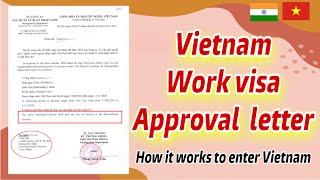
  2. Receive your visa approval letter via email within two business days.
  3. Print out the visa approval letter and bring it with you to Vietnam.
  4. On arrival at the airport, present the visa approval letter, your passport, and two passport photos.
  5. Pay the stamping fee and receive your visa.

It’s essential to note that visa on arrival is only available for travelers entering Vietnam by air. If you plan to enter Vietnam by land or sea, you will need to obtain a visa in advance from a Vietnamese embassy or consulate.

Can I Get a Visa Upon Arrival in Vietnam?

Pros and Cons of Obtaining a Visa Upon Arrival in Vietnam

There are several advantages and disadvantages to obtaining a visa upon arrival in Vietnam.

Pros:

  • Convenient: You can obtain your visa quickly and easily at the airport.
  • Time-saving: You don’t need to visit a Vietnamese embassy or consulate in advance.
  • Cost-effective: The visa fee for Vietnam is generally lower than other countries.

Cons:

  • Limited availability: Visa on arrival is only available for those entering Vietnam by air.
  • Uncertainty: There is always a small risk that your visa application may be rejected.
  • Longer waiting time: You may have to wait in line at the airport to obtain your visa.

Alternatives to Obtaining a Visa Upon Arrival in Vietnam

If you are not eligible for a visa upon arrival in Vietnam, there are several alternatives available:

Applying for a Visa in Advance

The most common alternative is to apply for a visa in advance from a Vietnamese embassy or consulate. This process can take longer and may require more paperwork, but it ensures that you will have your visa before you travel to Vietnam.

E-Visa

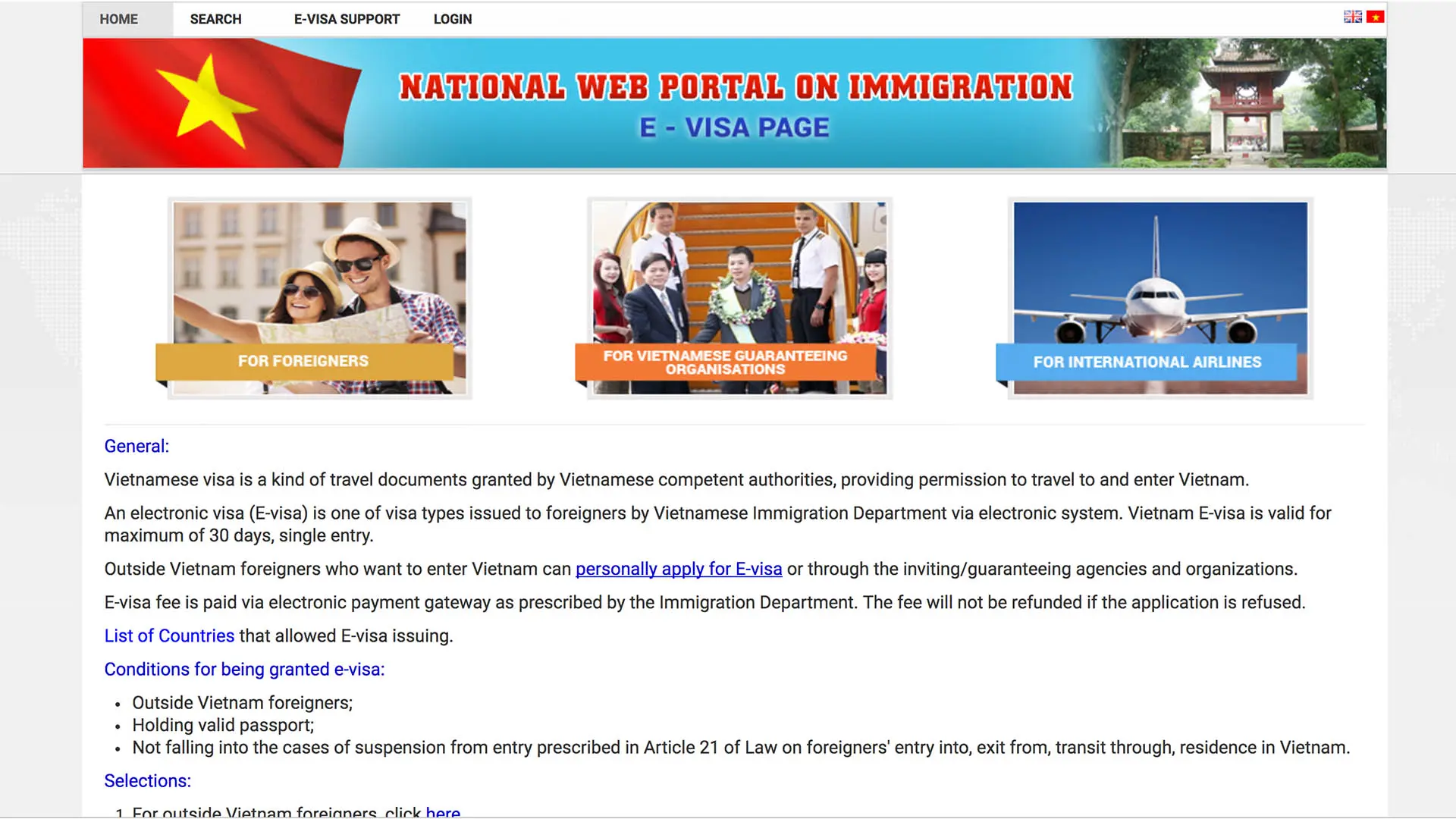
Another option is to apply for an e-visa online. Thistype of visa is available for citizens of certain countries and allows travelers to enter Vietnam for up to 30 days. The application process is entirely online, and you will receive your e-visa via email within three to five business days.

Visa Exemption

If you are a citizen of one of the countries exempt from requiring a visa for stays of up to a specified number of days, you can enter Vietnam without a visa. However, if you plan to stay longer than the specified period or are traveling from a country not on the exemption list, you will need to obtain a visa.

Can I Get a Visa Upon Arrival in Vietnam?

Step-by-Step Guide: How to Obtain a Visa Upon Arrival in Vietnam

If you are eligible for a visa upon arrival in Vietnam, here is a step-by-step guide on how to obtain it:

  1. Complete the Online Application Form: Before arriving in Vietnam, you must complete the online application form. You will need to provide information about yourself, your travel itinerary, and your passport details.
  1. Pay the Visa Fee: Once you have completed the application form, you will need to pay the visa fee. This can be done online using a credit card or PayPal.
  1. Receive Your Visa Approval Letter: After submitting your application and paying the fee, you will receive your visa approval letter via email within two business days.
  1. Print Out the Visa Approval Letter: Print out the visa approval letter and bring it with you to Vietnam.
  1. Present Your Documents on Arrival: On arrival at the airport, present your visa approval letter, your passport, and two passport photos. You will also need to pay the stamping fee and receive your visa.

Comparison of Different Types of Visas for Vietnam

To help you choose the best type of visa for your trip to Vietnam, here is a comparison of the different types of visas available:

Type of Visa Duration of Stay Number of Entries Purpose of Visit Eligibility
Tourist Visa Up to 90 days Single or Multiple Tourism All nationalities
Business Visa Up to 90 days Single or Multiple Business-related All nationalities
Student Visa Duration of Studies Single or Multiple Study All nationalities
E-Visa Up to 30 days Single Entry Tourism, Business, or Visiting Relatives Citizens of eligible countries
Visa on Arrival Up to 90 days Single or Multiple Tourism or Business Citizens of eligible countries entering Vietnam by air

Tips for Obtaining a Visa for Vietnam

Here are some tips to help you obtain your visa for Vietnam:

  • Check your eligibility: Before applying for a visa, check whether you are eligible for visa exemption or visa on arrival.
  • Apply in advance: If you are not eligible for visa on arrival, apply for your visa in advance to avoid any last-minute issues.
  • Double-check your documents: Ensure that your passport is valid for at least six months from the date of entry into Vietnam and that you have all the necessary documents, such as passport photos and visa approval letters.
  • Be patient: The visa application process can take time, so be patient and plan ahead.

Conclusion

In conclusion, obtaining a visa for Vietnam is a relatively straightforward process. Whether you choose to apply in advance or opt for a visa upon arrival, there are several types of visas available to suit your needs. By following the tips outlined in this article, you can ensure a smooth and hassle-free experience when obtaining your Vietnamese visa.

FAQs

  1. Do I need a visa to enter Vietnam?
    It depends on your nationality. Citizens of certain countries are exempt from requiring a visa for stays of up to a specified number of days.
  1. Can I obtain a visa upon arrival in Vietnam?
    If you are eligible for a visa upon arrival, you can obtain it at one of the four international airports: Noi Bai in Hanoi, Tan Son Nhat in Ho Chi Minh City, Da Nang, and Cam Ranh.
  1. How long does it take to process a Vietnamese visa application?
    The length of time it takes to process your visa application will depend on the type of visa and where you are applying from. In general, it is recommended that you apply for your visa at least one month before your planned travel date.
  1. What is the stamping fee for a Vietnamese visa?
    The stamping fee for a Vietnamese visa varies depending on the type of visa and the nationality of the traveler. It is typically between $25-$50 USD.
  1. Can I extend my stay in Vietnam once I have obtained a visa?
    Yes, it is possible to extend your stay in Vietnam by visiting a local immigration office and applying for an extension. However, this process can be time-consuming and may require additional documentation.
, ,

Kosovo A Land of Rich History and Vibrant Culture

Kosovo, officially known as the Republic of Kosovo, is a landlocked country located in the heart of the Balkans. It holds a captivating blend of history, breathtaking landscapes, and a vibrant cultural heritage. In this article, we will delve into the depths of Kosovo’s identity, exploring its origins, historical significance, cultural treasures, and much more.

The Origins of Kosovo

Kosovo has a rich and complex history that dates back thousands of years. Its strategic location in the southeastern part of Europe has made it a melting pot of various civilizations and cultures throughout time. The region was inhabited by Illyrians, an ancient Indo-European people, followed by Roman, Byzantine, Ottoman, and Slavic influences.

Kosovo A Land of Rich History and Vibrant Culture

Kosovo’s Historical Significance

One cannot discuss Kosovo without acknowledging its immense historical significance. The Battle of Kosovo, fought in 1389 between Serbian and Ottoman forces, stands as a defining moment in the country’s past. This battle marked the beginning of the Ottoman conquest of Southeastern Europe and became deeply ingrained in the national consciousness of the Serbian people.

Cultural Treasures of Kosovo

Kosovo boasts a remarkable cultural heritage that reflects its diverse history and influences. The country is home to numerous archaeological sites, medieval monasteries, and traditional crafts that showcase its unique identity. The Visoki Dečani Monastery, a UNESCO World Heritage site, exemplifies the exquisite blend of Byzantine and Serbian architectural styles.

Kosovo A Land of Rich History and Vibrant Culture

Example: The Visoki Dečani Monastery

The Visoki Dečani Monastery, located near Peć in western Kosovo, is a masterpiece of medieval architecture. Built in the 14th century, it showcases intricate frescoes, detailed carvings, and a stunning collection of religious artifacts. The monastery’s walls tell stories of faith, history, and artistic brilliance, making it a true gem of Kosovo’s cultural heritage.

The Beauty of Kosovo’s Nature

Nature lovers will find solace in the breathtaking landscapes that encompass Kosovo. From majestic mountains to picturesque lakes and verdant valleys, this country offers a haven for outdoor enthusiasts. The Rugova Gorge, with its towering cliffs and crystal-clear rivers, provides a stunning backdrop for hiking, rock climbing, and exploring nature’s wonders.

Example: The Mirusha Waterfalls

Hidden within the scenic Rugova Mountains, the Mirusha Waterfalls offer an enchanting escape into nature. This series of cascading waterfalls boasts turquoise pools, lush vegetation, and a serene atmosphere. Whether you seek tranquility or adventure, the Mirusha Waterfalls are a must-visit destination in Kosovo.

Exploring Kosovo: How To Make the Most of Your Trip

Planning a visit to Kosovo? Here’s a comprehensive guide on how to make the most of your trip:

  1. Getting There: Kosovo can be reached by air through Pristina International Airport, which connects to major European cities. Alternatively, you can opt for land transportation from neighboring countries such as Albania, North Macedonia, or Serbia.
  1. Accommodation: Kosovo offers a range of accommodation options, including hotels, guesthouses, and apartments. Pristina, the capital city, is dotted with modern hotels, while smaller towns and rural areas provide more authentic experiences.
  1. Exploring the Highlights: Start your journey in Pristina, where you can visit the Newborn Monument, National Library, and Ethnographic Museum. Don’t miss the UNESCO-listed Gračanica Monastery and the historic town of Prizren.
  1. Culinary Delights: Indulge in Kosovo’s culinary delights, such as traditional dishes like flia (layered pastry), flija (savory pancake pie), and petulla (fried dough). Local restaurants offer a wide array of options, ranging from hearty meat dishes to vegetarian specialties.
  2. Engage with the Locals: One of the best ways to truly experience Kosovo is by engaging with its warm and hospitable people. Strike up conversations, participate in cultural events, and immerse yourself in the local way of life.

Pros and Cons of Visiting Kosovo

As with any travel destination, it’s essential to consider the pros and cons of visiting Kosovo:

Pros

  • Rich history and cultural heritage
  • Affordable prices compared to other European countries
  • Stunning natural landscapes
  • Authentic and immersive experiences
  • Friendly and welcoming locals

Cons

  • Limited tourism infrastructure in some areas
  • Ongoing political tensions in the region
  • Language barriers for non-Albanian speakers in some rural areas

Exploring Alternatives: Similar Destinations to Consider

If you’re seeking destinations with a similar blend of history and culture, here are some alternatives to consider:

  1. Albania: Just south of Kosovo, Albania offers a captivating mix of ancient ruins, beautiful beachesand rugged mountains. From the ancient city of Butrint to the vibrant capital of Tirana, Albania has much to offer.
  1. Macedonia: North Macedonia, located to the east of Kosovo, boasts a rich cultural heritage and stunning natural landscapes. Explore the historic city of Ohrid, visit the Matka Canyon, and immerse yourself in the warm hospitality of the Macedonian people.
  1. Bosnia and Herzegovina: Known for its diverse history and captivating blend of cultures, Bosnia and Herzegovina is a destination that shouldn’t be missed. Discover the iconic Stari Most bridge in Mostar, explore the charming streets of Sarajevo, and indulge in delicious Bosnian cuisine.

Step-by-Step Guide: How to Plan Your Trip to Kosovo

To plan your trip to Kosovo effectively, follow these step-by-step guidelines:

  1. Research: Gather information about the country’s history, culture, attractions, and visa requirements. Consult travel guides, websites, and forums to gain insights from fellow travelers.
  1. Choose the Right Time to Visit: Consider the weather, local festivals, and events when deciding on the best time to visit Kosovo. The spring and autumn months offer pleasant temperatures and fewer crowds.
  1. Create an Itinerary: Determine the duration of your stay and outline the places you want to visit. Prioritize the must-see attractions, but also leave room for spontaneous exploration and relaxation.
  1. Arrange Accommodation and Transportation: Book your accommodation in advance, especially during peak seasons. Research transportation options within the country, such as car rentals, local buses, or private transfers.
  1. Check Travel Requirements: Ensure you have a valid passport and check if you need a visa to enter Kosovo. Confirm any specific entry requirements or restrictions related to COVID-19 before your departure.
  1. Pack Appropriately: Pack according to the season and activities you plan to engage in. Bring comfortable walking shoes, appropriate clothing for cultural sites, and necessary travel essentials.
  1. Learn Basic Phrases: Familiarize yourself with a few basic Albanian phrases or essential words to help you communicate with locals. Though English is widely spoken, knowing a few local greetings can go a long way.
  1. Respect Local Customs and Etiquette: Show respect for the local culture and traditions. Dress modestly when visiting religious sites, ask for permission before taking photographs of people, and be mindful of local customs.
  1. Stay Informed about Safety: Stay updated on the latest travel advisories and follow any safety guidelines provided by local authorities. Be cautious of your surroundings and take common-sense precautions.
  1. Immerse Yourself in the Experience: Embrace the unique charm of Kosovo, interact with locals, try traditional cuisine, and immerse yourself in the rich history and culture of this fascinating country.

Kosovo A Land of Rich History and Vibrant Culture

A Comparison: Kosovo vs. Albania

While both Kosovo and Albania offer captivating experiences, they each have their distinct features:

Kosovo:

  • Strong Serbian and Albanian cultural influences
  • Rich historical sites, including monasteries and ancient ruins
  • Populated by various ethnic groups, creating a unique blend of traditions
  • Breathtaking natural landscapes, including mountains, canyons, and waterfalls

Albania:

  • Coastal areas with beautiful beaches and crystal-clear waters
  • Vibrant capital city (Tirana) with a burgeoning art and culinary scene
  • UNESCO World Heritage Sites, such as the ancient city of Butrint
  • Stunning mountain ranges, including the Accursed Mountains and Llogara National Park

Ultimately, the choice between Kosovo and Albania depends on personal preferences and interests. Both destinations offer remarkable experiences that will leave travelers in awe.

Tips for a Memorable Trip to Kosovo

Here are some additional tips to make your trip to Kosovo even more memorable:

  1. Try Local Cuisine: Indulge in traditional dishes like burek (a savory pastry), flija (a layered pancake), and suxhuk (a spicy sausage). Don’t forget to pair your meals with a glass of rakija, a popular Balkan fruit brandy.
  1. Visit Prizren: Explore the charming town of Prizren, known for its well-preserved Ottoman architecture, cobblestone streets, and the iconic stone bridge. Don’t miss the Shadervan Square, where you can relax in one of the many cafes.
  1. Attend Festivals: If possible, time your visit to coincide with one of Kosovo’s vibrant festivals. The Dokufest documentary film festival in Prizren and the Rugova Traditional Food Festival are just a few examples of the cultural events that showcase the country’s unique heritage.
  1. Engage in Outdoor Activities: Take advantage of Kosovo’s diverse landscapes by engaging in outdoor activities. Go hiking in the Accursed Mountains, explore the caves of Gadime,or try paragliding in the Sharri Mountains. Adventure enthusiasts will find plenty of opportunities to get their adrenaline pumping.
  1. Support Local Artisans: Kosovo has a rich tradition of craftsmanship, with artisans creating beautiful handmade products. Look for local shops and markets where you can purchase unique souvenirs like traditional rugs, pottery, or intricate filigree jewelry.
  1. Learn About the Recent History: Take the time to learn about the recent history and political situation of Kosovo. Understanding the struggles and aspirations of the people will provide a deeper appreciation for the country’s journey towards independence and its ongoing challenges.
  1. Experience Traditional Music and Folklore: Immerse yourself in the enchanting sounds of Kosovo’s traditional music and dance. Attend a live performance or visit cultural centers that showcase the vibrant folklore of the region.

Kosovo A Land of Rich History and Vibrant Culture

The Best of Kosovo: Must-Visit Destinations

While every corner of Kosovo has its own charm, here are some must-visit destinations to include in your itinerary:

  1. Pristina: Explore the capital city of Pristina, where modern architecture blends with historical landmarks. Visit the National Library, the Ethnographic Museum, and the vibrant Germia Park.
  1. Gračanica Monastery: Marvel at the beauty of the Gračanica Monastery, a UNESCO World Heritage site renowned for its stunning frescoes and Byzantine-influenced architecture.
  1. Prizren: Discover the picturesque town of Prizren, known for its Ottoman-era buildings, the iconic Prizren Fortress, and the Sinan Pasha Mosque.
  1. Peja and Rugova Gorge: Explore the charming city of Peja and venture into the rugged beauty of the Rugova Gorge. Hike to the impressive Via Ferrata or relax by the crystal-clear waters of the White Drin River.
  1. Decani Monastery: Visit the magnificent Decani Monastery and admire its stunning medieval frescoes. A true architectural gem nestled in the beautiful Decan region.

Conclusion

Kosovo, with its rich history, vibrant culture, and breathtaking landscapes, offers a captivating destination for travelers seeking a unique and immersive experience. From its ancient heritage to its welcoming people, this landlocked Balkan country leaves a lasting impression on all who visit. By exploring its historical sites, indulging in local cuisine, and embracing its natural wonders, you will discover the hidden gems that make Kosovo truly remarkable.


FAQs (Frequently Asked Questions)

  1. Is Kosovo safe for tourists?

Kosovo is generally considered safe for tourists. However, it’s always advisable to stay updated on the latest travel advisories and take necessary precautions while traveling.

  1. What languages are spoken in Kosovo?

The official languages of Kosovo are Albanian and Serbian. English is also widely understood and spoken, especially in tourist areas.

  1. Can I use euros in Kosovo?

Yes, the official currency of Kosovo is the euro (€). Euros are widely accepted in hotels, restaurants, and shops throughout the country.

  1. Are there any visa requirements to enter Kosovo?

Many nationalities can enter Kosovo without a visa for short periods. However, it’s important to check the specific visa requirements based on your nationality before traveling.

  1. What is the best time to visit Kosovo?

The best time to visit Kosovo is during the spring (April to June) and autumn (September to October) when the weather is mild, and attractions are less crowded.

, , , , ,

Exploring the Countries with the Weakest Currencies

The valuation of a currency depends on numerous factors, including economic stability, political climate, inflation rates, and trading activities. When determining the weakest currencies, it is crucial to consider its exchange rate against major global currencies, such as the US Dollar or the Euro. A lower value against these benchmark currencies indicates a weaker standing in the international market.

The World’s Lowest Currency: Which Country Holds the Title?

Introduction

In the vast world of currencies, there exist significant variations in value. While some currencies hold considerable power and influence, others may struggle to maintain their worth. This article delves into the intriguing topic of the world’s lowest currency and identifies the country that holds this distinction. Join us on this captivating journey as we explore various aspects of the lowest-valued currency, its implications, pros and cons, alternatives, and provide step-by-step guidance on how to navigate currency exchanges involving such currencies.

What Defines the Lowest Currency?

The valuation of a currency depends on numerous factors, including economic stability, political climate, inflation rates, and trading activities. When determining the lowest currency, it is crucial to consider its exchange rate against major global currencies, such as the US Dollar or the Euro. A lower value against these benchmark currencies indicates a weaker standing in the international market.

The Country with the Lowest Currency: Vietnam

Out of all the countries worldwide, Vietnam is home to the currency with the lowest value. The Vietnamese đồng (VND) holds this distinction due to its relatively low exchange rate compared to other major currencies. At the time of writing, 1 US Dollar is equivalent to approximately 22,600 Vietnamese đồng. This valuation places the Vietnamese đồng at the bottom of the currency hierarchy in terms of value.

Pros and Cons of Having the Lowest Currency

While having the lowest currency may seem disadvantageous at first glance, it is important to consider both the pros and cons associated with such a situation.

Pros:

  1. Competitive Exports: A low-valued currency can make a country’s exports more competitive in the international market. Vietnamese goods become relatively cheaper for foreign buyers, potentially boosting trade. For instance, Vietnamese textiles, electronics, and agricultural products may be more appealing to international buyers due to their lower prices. This can stimulate economic growth and increase export revenues for the country.
  1. Tourism Attraction: Countries with the lowest currency can become attractive tourist destinations. Travelers from countries with stronger currencies find their money stretches further, making trips to such countries more affordable.

Vietnam, with its picturesque landscapes, rich culture, and historical sites, has seen a surge in tourism due to its low-cost appeal. Visitors can explore the country without breaking the bank, enjoying a rewarding experience while spending less.

Cons:

  1. Inflationary Pressures: Having a low-valued currency can lead to inflationary pressures within a country. Imported goods, such as raw materials or finished products, become more expensive, impacting local businesses and consumers.

Vietnamese businesses relying on imported materials face challenges due to increased costs. These expenses are often passed on to consumers, resulting in higher prices for goods and services domestically.

  1. Decreased Purchasing Power: Individuals holding a low-valued currency may have reduced purchasing power when visiting countries with stronger currencies. Their money does not stretch as far, limiting their ability to enjoy certain luxuries or make significant investments.

Vietnamese travelers visiting countries like the United States or European nations may find that their budget limits their choices and experiences. This can potentially deter some individuals from traveling abroad.

Alternatives to the Lowest Currency

While the lowest currency poses both advantages and disadvantages, individuals seeking alternatives for various purposes may consider the following options:

  1. Stable Currencies: Opting for stable currencies with widely recognized value, such as the US Dollar or Euro, can provide financial stability and ease of use in international transactions.
  2. Regional Currencies: Some regions, such as the Eurozone or Caribbean countries, have established regional currencies that promote easier cross-border transactions and eliminate exchange rate fluctuations.
  3. Cryptocurrencies: In recent years, cryptocurrencies like Bitcoin and Ethereum have gained popularity as alternative forms of currency. These digital assets offer decentralization, privacy, and global accessibility.

How to Navigate Exchanges involving the Lowest Currency

When dealing with the lowest currency, it is essential to approach currency exchanges strategically to optimize value and minimize losses. Here is a step-by-step guide on how to navigate exchanges involving the lowest currency:

  1. Research Exchange Rates: Stay informed about the current exchange rates between the lowest currency and major global currencies. Online platforms, financial news websites, or local banks can provide reliable information.
  2. Choose an Authorized Exchange Provider: Opt for reputable exchange providers, such as banks or licensed currency exchange services, to ensure fair rates and safe transactions.
  3. Compare Exchange Rates: Compare rates offered by different providers to maximize your gains. Even slight variations in exchange rates can make a significant difference when exchanging larger amounts of money.
  4. Plan Ahead: If possible, plan currency exchanges in advance to take advantage of more favorable rates and avoid last-minute rush fees or unfavorable market conditions.
  5. Consider Digital Options: Explore digital platforms that offer competitive rates and convenient processes forcurrency exchanges. Online currency exchange platforms or mobile wallet applications can provide a streamlined and efficient way to exchange currencies, including the lowest currency.
  1. Monitor Market Fluctuations: Keep an eye on market trends and fluctuations in exchange rates. This information can help you make informed decisions regarding the timing of your currency exchanges.
  1. Seek Professional Advice: If you have significant currency exchange needs or complex financial requirements, consider consulting with a financial advisor or expert who can provide personalized guidance based on your specific situation.

Comparing the Lowest Currency with Major Currencies

To fully grasp the significance of the lowest currency, let’s compare it with some major global currencies. By examining the exchange rates and value differentials, we can gain insights into the implications of holding the lowest currency.

Vietnamese đồng (VND) vs. US Dollar (USD)

  • Exchange Rate: 1 USD = 22,600 VND (approximate exchange rate at the time of writing)
  • Value Differential: The Vietnamese đồng has significantly lower value compared to the US Dollar, indicating a weaker standing in international markets.

Vietnamese đồng (VND) vs. Euro (EUR)

  • Exchange Rate: 1 EUR = 26,500 VND (approximate exchange rate at the time of writing)
  • Value Differential: Similarly, the Vietnamese đồng holds a much lower value when compared to the Euro, showcasing its relatively weaker position.

Tips for Dealing with the Lowest Currency

Navigating a currency with the lowest value can present unique challenges. Here are some valuable tips to help you effectively deal with the lowest currency:

  1. Stay Updated: Keep track of current exchange rates and stay informed about any economic developments or policy changes that may impact the lowest currency’s value.
  1. Diversify Your Currency Holdings: Consider holding a mix of different currencies to minimize risk and protect your finances against potential fluctuations in the value of the lowest currency.
  1. Seek Bargains: Take advantage of the low cost of living associated with the lowest currency when visiting or investing in countries where it holds value. Look for bargains and opportunities that can provide substantial savings or investment potential.
  1. Budget Wisely: When dealing with the lowest currency, it’s crucial to budget carefully and make informed spending decisions. Research local prices and compare them to your own currency to ensure you’re getting fair value for your money.
  1. Understand Exchange Policies: Familiarize yourself with the exchange policies and regulations of both your home country and the country where the lowest currency is used. This knowledge will help you navigate currency exchanges and avoid any legal or financial complications.

The Best Approach to the Lowest Currency

The best approach to dealing with the lowest currency depends on individual circumstances and objectives. For tourists seeking affordable destinations, countries with the lowest currency can offer incredible value for their money. On the other hand, investors and businesses may need to strategize and consider alternative currencies or financial instruments to mitigate risks and maximize returns.

By staying informed, seeking professional advice when necessary, and adopting a prudent financial outlook, individuals can navigate the lowest currency effectively and make the most of their financial interactions.

Conclusion

In conclusion, Vietnam is home to the currency with the lowest value in the world, the Vietnamese đồng (VND). While having the lowest currency has its pros and cons, it is essential to evaluate the implications and explore alternatives when dealing with such a currency. By understanding exchange rates, staying updated on market trends, and making informed decisions, individuals can navigate currency exchanges involving the lowest currency more effectively. Whether as a tourist seeking affordability or an investor looking for opportunities, the lowest currency presents unique aspects that require careful consideration.


FAQs After The Conclusion:

Q1: Is the Vietnamese đồng only used in Vietnam?

The Vietnamese đồng is the official currency of Vietnam and is primarily used within the country. It’s not widely accepted in other nations, so it’s important to exchange your currency when traveling abroad.

Q2: Can I invest in the Vietnamese đồng?

Investing directly in the Vietnamese đồng may be challenging for individuals outside of Vietnam. However, there are investment opportunities related to Vietnamese assets, such as stocks or businesses operating in Vietnam, that can indirectly involve the Vietnamese đồng.

Q3: Are there any advantages to holding a low-valued currency?

While holding a low-valued currency may have disadvantages, it can also offer advantages. For example, it can make a country’s exports more competitive, stimulate tourism, and attract foreign investments due to lower costs.

Q4: Can I use major credit cards in countries with the lowest currency?

Major credit cards are generally accepted in countries with the lowest currency, particularly in larger establishments or tourist areas. However, it’s advisable to carry some local currency for smaller businesses or areas where card acceptance may be limited.

Q5: What are some factors that can impact the value of thelowest currency?

The value of the lowest currency can be influenced by various factors, including economic conditions, political stability, inflation rates, foreign exchange reserves, interest rates, and trade policies. Changes in these factors can lead to fluctuations in the value of the lowest currency relative to other currencies.

, , , , , , , ,

How to Get a Vietnam Visa from Hong Kong in 2025?

Whether you’re planning a business trip or a holiday, Hong Kong passport holders and residents need a valid visa to enter Vietnam (except those with visa exemptions). In 2025, the process is easier than ever with two main options:


✅ 1. Vietnam E-Visa (Recommended)

Who can apply?
✔️ Hong Kong SAR passport holders
✔️ Other nationalities residing in Hong Kong

How to apply?

  1. Visit the official Vietnam e-visa website or use a trusted agent like VisaOnlineVietnam.com
  2. Upload:
    • Passport scan (valid 6+ months)
    • Digital passport photo
  3. Fill out the online form with travel details
  4. Pay the visa fee (secure payment online)
  5. Receive your e-visa in 3–5 working days
  6. Print and present at immigration upon arrival

Visa validity:

  • 30 days (single entry)
  • Entry points include: Hanoi, Ho Chi Minh City, Da Nang, and others

✅ 2. Visa on Arrival (VOA)

Only applicable for air travelers flying into Vietnam

Steps to get VOA from Hong Kong:

  1. Apply for a Visa Approval Letter via VisaOnlineVietnam.com
  2. Receive the letter by email (in 1–2 working days for urgent cases)
  3. Prepare:
    • Printed approval letter
    • Passport photos (4×6 cm)
    • Visa stamping fee in USD (cash)
  4. At the airport in Vietnam:
    • Go to VOA counter
    • Submit documents and pay stamping fee
    • Get your visa stamped

Note: VOA is available at Hanoi, HCMC, Da Nang, Cam Ranh, and Phu Quoc


✈️ Which Option Is Better?

Criteria E-Visa Visa on Arrival
Application Fully online Online + airport process
Validity 30 days Up to 3 months
Entry Types Single entry Single or multiple entry
Best For Tourists / short trips Business / longer stays

💡 Tips for Smooth Processing:

  • Apply 1–2 weeks before your trip
  • Make sure your passport is valid for at least 6 months
  • Double-check your personal info before submitting
  • Save digital and printed copies of your visa or approval letter

📩 Need Help or a Guaranteed Urgent Visa?

Use a trusted partner:
🌐 https://visaonlinevietnam.com
📧 Email: sales@visaonlinevietnam.com
📱 WhatsApp: (+84) 968 18 77 18
📞 Hotline (USA): +1 (972) 666-0676

, , , , , ,

Indian Passport Visa for Vietnam All You Need to Know

Are you an Indian passport holder planning a trip to Vietnam? If yes, then one of the most crucial things that you need to take care of is obtaining a valid visa. Vietnam is a beautiful country with diverse landscapes, rich history, and culture. To explore this Southeast Asian gem, you need to apply for a visa in advance.

In this comprehensive guide, we will answer all your queries related to Indian passport visa for Vietnam. From who needs a visa, when to apply, how to apply, pros and cons, alternatives, step-by-step instructions, compare, tips, to the best ways to make the process smoother – we have got it all covered. So, let’s dive in.

Who Needs a Visa for Vietnam?

As an Indian passport holder, you need a valid visa to enter Vietnam. The only exception is if you are traveling to Phu Quoc Island for up to 30 days. In that case, you can enter and exit the island without a visa as long as you do not travel outside of it. However, if you plan to visit other parts of Vietnam or stay on the island for more than 30 days, you will need a visa.

Indian Passport Visa for Vietnam All You Need to Know

What Are the Types of Visas Available for Indian Passport Holders?

There are two types of visas available for Indian passport holders – e-visa and embassy visa. Let’s take a closer look at each:

E-Visa

Vietnam introduced the e-visa system in 2017, making it easier for travelers to apply for a visa online. An e-visa is a single-entry visa that allows you to stay in Vietnam for up to 30 days. The application process is entirely online, and you can apply from anywhere in the world as long as you have a stable internet connection.

Pros:

  • Convenient and hassle-free application process
  • Saves time as you don’t have to visit the embassy
  • The processing time is usually 3-5 working days, and you can get the visa via email

Cons:

  • Not suitable for travelers who plan to stay in Vietnam for more than 30 days
  • E-visa holders cannot extend their visa or change their immigration status
  • Limited ports of entry and exit

Embassy Visa

An embassy visa is a traditional visa that you can obtain by visiting the Vietnamese embassy in India. This type of visa allows you to enter and exit Vietnam multiple times, and the duration of your stay depends on the visa type you apply for.

Pros:

  • Suitable for travelers who plan to stay in Vietnam for an extended period
  • You can choose from different visa types based on your travel plans
  • Multiple ports of entry and exit

Cons:

  • The application process can be time-consuming and requires you to visit the embassy in person
  • Higher fees compared to e-visa
  • Longer processing time – usually takes up to a week

Indian Passport Visa for Vietnam All You Need to Know

When to Apply for a Vietnam Visa?

It’s recommended that you apply for a Vietnam visa at least two weeks before your planned departure date. Keep in mind that the processing time varies based on the type of visa you apply for. If you choose an e-visa, it can take up to five working days to process, while an embassy visa can take up to a week.

How to Apply for a Vietnam Visa?

Now that you know what type of visas are available let’s look at how you can apply.

Applying for an E-Visa

To apply for an e-visa, follow these steps:

  1. Visit the official Vietnam e-visa website and fill out the application form.
  2. Upload a scanned copy of your passport’s bio page and a passport-size photo.
  3. Pay the visa fee using a credit or debit card.
  4. Wait for the visa approval via email.
  5. Print the e-visa and carry it with you to present at the immigration checkpoint in Vietnam.

Applying for an Embassy Visa

To apply for an embassy visa, follow these steps:

  1. Visit the Vietnamese embassy or consulate in India.
  2. Fill out the visa application form and provide a passport-size photo.
  3. Submit your passport, along with the application fee.
  4. Wait for the embassy to process your visa application.
  5. Collect your passport with the visa stamp from the embassy or avail courier service if applicable.

Alternatives to Applying for a Vietnam Visa

If you don’t want to go through the hassle of obtaining a visa, there are a few alternatives available for Indian passport holders.

Visa Exemption Agreement

Vietnam has signed a mutual visa exemption agreement with some countries, including India, that allows citizens to enter without a visa for a certain period. Unfortunately, this agreement only applies to diplomatic and official passports, not ordinary ones.

Visa on Arrival

Visa on arrival is an option, but not available to Indian passport holders. It’s essential to note thatvisa on arrival is only available for air travelers, and you need to apply for it through a travel agency or an online service provider.

Indian Passport Visa for Vietnam All You Need to Know

Step-by-Step Guide to Obtaining a Vietnam Visa

Let’s break down the steps involved in obtaining a Vietnam visa:

  1. Determine the type of visa you require based on your travel plans.
  2. Choose the method of application – e-visa or embassy visa.
  3. Fill out the application form and upload the required documents.
  4. Pay the visa fee.
  5. Wait for the visa approval and receive it via email (e-visa) or collect it from the embassy (embassy visa).
  6. Print the visa and carry it with you to present at the immigration checkpoint in Vietnam.

Compare E-Visa vs. Embassy Visa

To help you make an informed decision, let’s compare the two types of visas available for Indian passport holders:

E-Visa Embassy Visa
Application Online In-person visit to the embassy
Duration Single entry, up to 30 days Multiple entry, up to 1 year
Processing Time Usually 3-5 working days Usually up to a week
Cost Cheaper More expensive than e-visa
Convenience Hassle-free, no embassy visit Requires a visit to the embassy
Ports of Entry Limited Multiple

Tips to Make the Visa Process Smoother

Here are some tips that can help you make the visa process smoother:

  • Double-check the visa requirements and ensure that you have all the necessary documents before applying.
  • Apply for the visa well in advance to avoid any delays or last-minute complications.
  • If you are applying for an embassy visa, book an appointment with the embassy in advance to save time.
  • Make sure your passport has a validity of at least six months from the date of entry into Vietnam.
  • Carry a few passport-size photos with you as they may be required for visa applications or other official purposes.

The Best Way to Obtain a Vietnam Visa

The best way to obtain a Vietnam visa depends on your travel plans and preferences. If you are planning a short stay in Vietnam, an e-visa can be a convenient and affordable option. However, if you plan to stay for an extended period or require a multiple-entry visa, then an embassy visa would be more suitable.

Conclusion

Obtaining a Vietnam visa is a crucial aspect of planning your trip to this beautiful country. As an Indian passport holder, you have two types of visas available – e-visa and embassy visa. While the e-visa is convenient and hassle-free, an embassy visa offers more flexibility and is suitable for long-term stays. No matter which option you choose, ensure that you apply well in advance and have all the necessary documents to make the process smoother.

FAQs

  1. Is it possible to extend my e-visa or embassy visa once I arrive in Vietnam?
    No, both e-visa and embassy visa cannot be extended or changed once you arrive in Vietnam.
  1. Can I apply for a Vietnam visa upon arrival at the airport?
    Visa on arrival is not available for Indian passport holders. You need to apply for a visa in advance.
  1. Do I need to provide proof of onward travel while applying for a Vietnam visa?
    It depends on the type of visa you apply for. An embassy visa requires you to provide proof of onward travel, while an e-visa does not.
  1. How long does it take to get an e-visa for Vietnam?
    The processing time for an e-visa is usually between 3-5 working days.
  1. Is it possible to apply for a Vietnam visa through a travel agency?
    Yes, you can apply for an embassy visa through a travel agency or an online service provider. However, it is important to ensure that the agency or service provider is legitimate and authorized by the Vietnamese government to process visa applications.

Thank you for reading our comprehensive guide on obtaining a Vietnam visa as an Indian passport holder. We hope that this article has provided you with all the information you need to plan your trip to Vietnam without any visa-related hassles. If you have any further questions or concerns, feel free to consult the FAQs section or seek assistance from the Vietnamese embassy or a trusted travel agency.

FAQs:

  1. Is it safe to travel to Vietnam as an Indian passport holder?
    Vietnam is generally considered a safe country for tourists, including Indian passport holders. However, like any other destination, it is important to take basic safety precautions such as avoiding unsafe areas and being aware of your surroundings.
  1. What is the best time to visit Vietnam?
    The best time to visit Vietnam depends on your preferences and the regions you plan to visit. Generally, the months from November to April are considered the peak season and offer pleasant weather conditions in most parts of the country.
  1. Do I need to get any vaccinations before traveling to Vietnam?
    It is recommended to get vaccinated against common illnesses like hepatitis A and B, typhoid, and tetanus before traveling to Vietnam. Consult a healthcare professional or a travel clinic for detailed advice based on your specific health condition.
  1. Are there any restrictions on the items I can bring into Vietnam?
    Yes, there are certain restrictions on items that you can bring into Vietnam, including drugs, weapons, and pornographic materials. Check the official website of the Vietnamese customs department for detailed information.
  1. What is the currency used in Vietnam?
    The currency used in Vietnam is the Vietnamese Dong (VND). It is advisable to exchange your currency at authorized exchange counters or banks for the best rates.
, ,

Vietnam Visa on Arrival for Indians Everything You Need to Know

Travelling to Vietnam has become a popular option for Indian tourists in recent years. Vietnam offers a unique and exotic experience that attracts visitors from all over the world. However, before you pack your bags and head off to Vietnam, it is important to understand the visa requirements for Indian passport holders. In this article, we will guide you through everything you need to know about Vietnam visa on arrival for Indians.

Who Needs a Visa for Vietnam?

The majority of foreign nationals need a visa to enter Vietnam, including Indian passport holders. However, some countries are eligible for visa-free entry or visa exemption for a limited time. Unfortunately, India is not one of these countries. Therefore, if you want to visit Vietnam as an Indian tourist, you need to obtain a visa.

Vietnam Visa on Arrival for Indians Everything You Need to Know

What is Vietnam Visa on Arrival?

Vietnam visa on arrival is an online visa application system that allows travellers to apply for and receive their visa approval letter online. This system was introduced in 2002 to simplify the visa application process and make it more convenient for tourists. With Vietnam visa on arrival, you don’t need to visit a Vietnamese embassy or consulate to apply for a visa. Instead, you can apply online from the comfort of your own home.

When Should I Apply for Vietnam Visa on Arrival?

You should apply for Vietnam visa on arrival at least 1-2 weeks before your planned travel date. The processing time usually takes 2-3 working days for standard service. However, if you need your visa urgently, you can choose express or super-urgent service, which takes 1-2 working days or 4-8 hours respectively. It’s important to note that you cannot apply for Vietnam visa on arrival more than 6 months in advance.

Vietnam Visa on Arrival for Indians Everything You Need to Know

How to Apply for Vietnam Visa on Arrival?

To apply for Vietnam visa on arrival, follow these simple steps:

Step 1: Fill in the Online Application Form

Go to the official website of Vietnam visa on arrival and fill in the online application form. You will need to provide your personal information, travel details, and passport information.

Step 2: Pay for the Visa Approval Letter

After submitting your application, you will be directed to a payment page. You can pay using your credit or debit card or through PayPal.

Step 3: Receive the Visa Approval Letter

Once your payment is confirmed, you will receive a visa approval letter via email within 2-3 working days (or sooner if you have chosen express service).

Step 4: Get Your Visa Stamped upon Arrival

Upon arrival at one of Vietnam’s international airports, present your visa approval letter, passport, and two passport-sized photos at the immigration counter. You will then be issued with your Vietnam tourist visa, which allows you to stay in the country for up to 30 days.

Vietnam Visa on Arrival for Indians Everything You Need to Know

Pros and Cons of Vietnam Visa on Arrival for Indians

Vietnam visa on arrival offers many advantages, including:

Pros

  • Convenient and time-saving as it can be done online
  • No need to visit an embassy or consulate
  • Available for most nationalities, including Indians
  • Affordable compared to other visa options

However, there are also some drawbacks to consider:

Cons

  • Only available for air travellers as it requires arrival at one of Vietnam’s international airports
  • Processing time may take longer than expected, leading to potential delays
  • The process can be confusing or complicated for first-time users

Alternatives to Vietnam Visa on Arrival

If you’re not comfortable with applying for Vietnam visa on arrival or want to explore other options, there are alternative visa types you can apply for. These include:

  • Embassy Visa: Applying for a visa through a Vietnamese embassy or consulate in your home country.
  • E-visa: An online visa system that allows tourists to apply for a single-entry visa for stays up to 30 days.
  • Visa exemption: Some countries are eligible for visa exemption, meaning they can enter Vietnam without a visa for a certain period.

Step by Step Guide to Vietnam Visa on Arrival

Here is a step-by-step guide to help you through the process of applying for Vietnam visa on arrival:

  1. Go to the official website of Vietnam visa on arrival
  2. Fill in the online application form
  3. Pay for the visa approval letter
  4. Receive the visa approval letter via email within 2-3 working days
  5. Fly to one of Vietnam’s international airports
  6. Present your visa approval letter, passport, and two passport-sized photos at the immigration counter
  7. Get your visa stamped upon arrival

Compare Vietnam Visa on Arrival with Other Visa Types

Vietnam visa on arrival has its own unique features and benefits compared to other visa types. Here’s how it compares:

  • Embassy Visa: Requires a visit to a Vietnamese embassy or consulate, which can be time-consuming and costly.
  • E-visa: E-visa is an attractive option for those who want to apply for a visa online but only plan to stay in Vietnam for up to 30 days. However, it may not be available to all nationalities and can be more expensive than visa on arrival.

Tips for Applying for Vietnam Visa on Arrival

Here are some useful tips to keep in mind when applying for Vietnam visa on arrival:

  • Make sure your passport has at least six months’ validity from the date of entry.
  • Double-check your personal information and travel details before submitting your application.
  • Choose the right processing time based on your travel plans.
  • Print out your visa approval letter and carry it with you to present at immigration.
  • Bring two passport-sized photos with you upon arrival.

The Best Way to Get a Vietnam Visa for Indians

For Indian tourists, Vietnam visa on arrival is the best way to obtain a visa for Vietnam. It offers convenience, affordability, and accessibility, making it an excellent option for those planning a trip to this beautiful country. Just make sure to follow the steps carefully and double-check your information to ensure a smooth process.

Conclusion

Travelling to Vietnam is an incredible experience that everyone should try at least once. As an Indian passport holder, you will need to obtain a visa to travel to Vietnam. While there are several visa options available, Vietnam visa on arrival is the most convenient and accessible option for Indian tourists. By following the simple steps outlined in this article, you can obtain your visa quickly and easily, ensuring a stress-free and enjoyable travel experience in Vietnam.

FAQs After The Conclusion

  1. Is Vietnam visa on arrival available for Indians? Yes, Vietnam visa on arrival is available for Indian passport holders.
  1. How long does it take to process Vietnam visa on arrival? The processing time usually takes 2-3 working days for standard service. However, express and super-urgent services are also available.
  1. What are the requirements for Vietnam visa on arrival? You will need a passport with at least six months’ validity, two passport-sized photos, and a visa approval letter obtained through the online application system.
  1. Can I apply for Vietnam visa on arrival at the airport? No, you must obtain your visa approval letter before arriving in Vietnam. You can then present it upon arrival to receive your visa.
  1. How long can I stay in Vietnam with a tourist visa? With a tourist visa, you can stay in Vietnam for up to 30 days.## Pros and Cons of Vietnam Visa on Arrival

Like any visa application process, there are pros and cons to obtaining a Vietnam visa on arrival. Here are some to consider:

Pros

  1. Convenience: You can apply for your visa online from anywhere in the world, without having to visit a Vietnamese embassy or consulate.
  2. Accessibility: Vietnam visa on arrival is available for many nationalities, including Indian passport holders.
  3. Affordability: Compared to other visa options, Vietnam visa on arrival can be more affordable.
  4. Fast processing time: With express or super-urgent services, you can receive your visa approval letter within hours.

Cons

  1. Uncertainty: Since you need to obtain your visa approval letter before arriving in Vietnam, there is a small risk of your application being denied.
  2. Additional fees: In addition to the visa fee, there may be additional fees for using express or super-urgent services, as well as stamping fees upon arrival.
  3. Limited stay: With a tourist visa, you can only stay in Vietnam for up to 30 days. If you plan to stay longer, you will need to apply for an extension or different visa type.

Alternatives to Vietnam Visa on Arrival

If you prefer not to obtain a Vietnam visa on arrival, there are alternative options available. These include:

  1. E-visa: This option allows you to apply for a visa online, but it is only available to certain nationalities and only allows for a stay of up to 30 days.
  2. Embassy or consulate visa: You can also apply for a visa at a Vietnamese embassy or consulate in your home country. This option may take longer and require more paperwork.
  3. Visa exemption: If you are a citizen of certain countries, you may be eligible for visa exemption and can stay in Vietnam for up to 15 or 30 days.

Step-by-Step Guide to Applying for Vietnam Visa on Arrival

If you decide to apply for a Vietnam visa on arrival, here is a step-by-step guide to help you through the process:

  1. Visit the website of a reputable visa service provider and fill out the online application form.
  2. Pay the visa fee and any additional fees for express or super-urgent services.
  3. Receive your visa approval letter by email within the designated processing time.
  4. Print out the visa approval letter and prepare two passport-sized photos.
  5. Upon arrival in Vietnam, present your visa approval letter, photos, and passport at the immigration counter to receive your visa.

Tips for Traveling to Vietnam

Finally, here are some tips to keep in mind when traveling to Vietnam:

  1. Research the local culture and customs before you go.
  2. Pack appropriate clothing for the weather and cultural norms.
  3. Be aware of scams and take precautions to protect your belongings.
  4. Try the local cuisine and immerse yourself in the culture.
  5. Respect the environment and avoid contributing to pollution or other negative impacts.

Vietnam is a beautiful and fascinating country with much to offer travelers. By following these tips and obtaining the proper visa, you can have a safe and enjoyable trip to this unique destination.

, , ,

Vietnam Visa 3 Months Everything

Are you planning to visit Vietnam for an extended period in 2023? Whether you’re visiting for business, pleasure, or both, it’s essential to obtain the correct visa. In this article, we’ll cover everything you need to know about Vietnam Visa 3 Months 2023, including who is eligible, how to apply, and the pros and cons of obtaining one.

Who Is Eligible for a Vietnam Visa 3 Months 2023?

Anyone traveling to Vietnam can apply for a visa, regardless of their nationality. However, some nationalities may be eligible for visa exemptions that allow them to stay in Vietnam for up to 15 days without a visa. These nationalities include:

  • ASEAN countries
  • Japan
  • South Korea
  • Russia
  • Norway
  • Denmark
  • Sweden
  • Finland

If you’re not from one of these countries, you’ll need to obtain a visa before arriving in Vietnam.

What Is a Vietnam Visa 3 Months 2023?

A Vietnam Visa 3 Months 2023 allows travelers to stay in Vietnam for up to three months. This type of visa is ideal for those who plan to visit Vietnam for an extended period for work, study, or tourism. There are two types of Vietnam Visa 3 Months 2023:

  • Single-entry visa: This allows you to enter Vietnam once and stay for up to three months. If you leave Vietnam, you’ll need to apply for a new visa to re-enter.
  • Multiple-entry visa: This allows you to enter and exit Vietnam multiple times within three months. This type of visa is perfect for those who plan to travel in and out of Vietnam during their stay.

When Should You Apply for a Vietnam Visa 3 Months 2023?

It’s recommended to apply for your Vietnam Visa 3 Months 2023 at least one month before your intended travel date. This will give you enough time to gather all the necessary documents and ensure that your application is complete. Keep in mind that processing times may vary depending on your country of residence, so it’s essential to check the current processing times before applying.

How to Apply for a Vietnam Visa 3 Months 2023?

There are two ways to apply for a Vietnam Visa 3 Months 2023:

  1. Online visa application: You can apply for a visa online through the official Vietnamese government website. This option is available for citizens of certain countries, including the United States, Canada, Australia, and the United Kingdom.
  1. Embassy visa application: You can also apply for a visa at the Vietnamese embassy or consulate in your home country. This option is available for all nationalities.

To apply for a Vietnam Visa 3 Months 2023, you’ll need the following documents:

  • A completed visa application form
  • A valid passport with at least six months validity remaining
  • Two passport-sized photos
  • Visa application fee

Pros and Cons of Obtaining a Vietnam Visa 3 Months 2023

Like any visa, there are pros and cons to obtaining a Vietnam Visa 3 Months 2023. Here are some of the most important ones to consider:

Pros

  • Allows you to stay in Vietnam for an extended period
  • Perfect for those who plan to work, study, or travel in Vietnam
  • Multiple-entry visa option available
  • Easy to obtain if you have all the necessary documents

Cons

  • Processing time can be lengthy
  • Application fees can be expensive
  • Single-entry visa requires you to obtain a new visa if you leave Vietnam

Alternatives to Vietnam Visa 3 Months 2023

If you’re not eligible for a Vietnam Visa 3 Months 2023 or prefer not to apply for one, there are alternatives available:

  • Visa exemption: As mentioned earlier, some nationalities are eligible for a visa exemption that allows them to stay in Vietnam for up to 15 days without a visa.
  • Visa on arrival: This is an option for those who plan to fly into Vietnam. You can apply for a visa on arrival online and receive it upon arrival at the airport.

Step-by-Step Guide: How to Obtain a Vietnam Visa 3 Months 2023?

Here’s a step-by-step guide to obtaining a Vietnam Visa 3 Months 2023:

  1. Determine which type of visa you need (single-entry or multiple-entry).
  2. Complete the visa application form online or at the Vietnamese embassy or consulate.
  3. Gather all the necessary documents, including a valid passport with six months’ validity remaining, two passport-sized photos, and the visa application fee.
  4. Submit your application and wait for processing.
  5. Once your visa is approved, you’ll receive it via email or pick it up at the embassy or consulate.

Vietnam visa 3 months everything

Comparison: Vietnam Visa 3 Months 2023 vs. Visa on Arrival

If you’re trying to decide whether to obtain a Vietnam Visa 3 Months 2023 or a visa on arrival, here’s a comparison:

Vietnam Visa 3 Months 2023

  • Allows you to stay in Vietnam for up to three months
  • Perfect for those who plan to work, study, or travel in Vietnam
  • Multiple-entry visa option available
  • Requires you to obtain a new visa if you leave Vietnam (for single-entry visas)

Visa on Arrival

  • Available for those who fly into Vietnam only
  • Saves time and effort compared to embassy visa application
  • Single-entry and multiple-entry options available
  • May be more expensive than obtaining a visa beforehand

Tips for Obtaining a Vietnam Visa 3 Months 2023

Here are some tips for obtaining a Vietnam Visa 3 Months 2023:

  • Apply at least one month before your intended travel date to ensure enough processing time.
  • Have all the necessary documents ready before applying.
  • Double-check your application for errors before submitting it.
  • Consider using a visa agent to help with the application process.
  • Keep your visa and passport safe during your travels.

The Best Way to Obtain a Vietnam Visa 3 Months 2023

The best way to obtain a Vietnam Visa 3 Months 2023 is to apply online through the official Vietnamese government website. This option is available for citizens of certain countries and is convenient and straightforward.

Conclusion

Obtaining a Vietnam Visa 3 Months 2023 is essential if you plan to visit Vietnam for an extended period. Make sure to apply early, have all the necessary documents ready, and consider the pros and cons of obtaining a visa before deciding which option is best for you.

FAQs After The Conclusion

  1. What is the difference between a single-entry and multiple-entry Vietnam Visa 3 Months 2023?
  2. Can I apply for a Vietnam Visa 3 Months 2023 if I’m not from one of the eligible nationalities for visa exemption?
  3. How long does it take to process a Vietnam Visa 3 Months 2023 application?
  4. Is it possible to extend a Vietnam Visa 3 Months 2023?
  5. Can I apply for a visa on arrival if I’m traveling overland into Vietnam?

, , ,

1-Year Vietnam Business Visa Application & Guidelines

Learn how to apply for a 1-year Vietnam business visa at the embassy/consulate or get a visa on arrival. Explore additional services useful tips with our comprehensive Vietnam visa guide.

Apply for 1 year Vietnam business visa at the embassy/consulate

To apply for a 1-year business visa to Vietnam at the embassy/consulate, you will need to gather the necessary documents, such as your passport, application form, and business invitation letter. You may also need to provide additional supporting documents, such as financial statements or a criminal record check.

Once you have all the required documents, you can schedule an appointment at the embassy/consulate and submit your application in person. The processing time for the visa may vary depending on the embassy/consulate, so it’s best to check with them beforehand.

It’s important to note that visa requirements and procedures can change over time, so it’s best to double-check the latest information on the embassy/consulate’s website or by contacting them directly before applying.

1-Year Vietnam Business Visa Application Guidelines

Get a Vietnam Business visa on arrival

To get a Vietnam Business visa on arrival, you need to follow these steps:

  1. Visit the website of a trusted visa agent that offers Vietnam visa on arrival services.
  2. Fill out the online application form for the visa and provide all the necessary information such as your personal details, travel dates, purpose of visit, etc.
  3. Make the payment for the visa processing fee through the agent’s secure payment gateway.
  4. Wait for the visa approval letter to be sent to your email address within 2-3 business days.
  5. Print out the visa approval letter and prepare two passport-sized photos, your passport, and cash for the stamping fee.
  6. On arrival at one of Vietnam’s international airports, present the visa approval letter, passport, photos, and pay the stamping fee in cash to obtain your visa.

Note that the Vietnam Business visa on arrival is only available for air travelers arriving at one of Vietnam’s major international airports: Hanoi, Ho Chi Minh City, Da Nang, and Nha Trang.

Vietnam Visa Guidelines

Vietnam Visa Guidelines refer to the rules and regulations that govern the process of applying for a visa to enter Vietnam. These guidelines provide information on the types of visas available, the documents required for application, the processing time, fees, and other relevant information.

There are several types of visas available for travel to Vietnam, including tourist visas, business visas, and transit visas. The specific requirements for each type of visa may vary depending on the purpose of your visit and the duration of your stay. Generally, applicants need to provide a passport with at least six months validity, an application form, and the appropriate visa fee.

Applicants can apply for a Vietnam visa through various channels, including the Vietnam embassy or consulate in their home country, online visa agencies, or visa on arrival services. The processing time and fees may vary depending on the chosen method of application.

It is important to carefully review the Vietnam Visa Guidelines and ensure that all requirements are met before applying for a visa. Failure to meet these guidelines may result in delays or denial of visa issuance.

1-Year Vietnam Business Visa Application Guidelines

Vietnam Visa Extra Services

Vietnam Visa Extra Services are additional services provided by some visa agencies or travel companies to simplify the process of obtaining a visa for Vietnam and enhance the overall travel experience. Examples of extra services may include airport fast-track services, assistance with visa extensions or renewals, hotel bookings, transportation arrangements, and travel insurance.

These services are not mandatory and may come at an additional cost. However, they can be useful for travelers who want to streamline the visa application process and avoid potential complications. It is important to choose a reputable agency or company that offers transparent pricing and reliable services.

1-Year Vietnam Business Visa Application Guidelines

Visa Tips

To apply for a 1-year Vietnam business visa, you will need to gather the necessary documents including your passport, a completed application form, a business introduction letter, and an invitation letter from a Vietnamese company. You may also need to provide additional documentation such as financial statements or proof of business activities.

Once you have all the required documents, you can submit your application at a Vietnamese embassy or consulate in your home country. The processing time can vary, so it is advisable to apply well in advance of your planned travel dates.

It is important to note that the 1-year business visa allows for multiple entries into Vietnam, but each stay must not exceed 90 days. If you plan to stay longer than 90 days on any given visit, you will need to apply for a visa extension through the Immigration Department in Vietnam.

Overall, be sure to carefully follow the guidelines and requirements for the 1-year Vietnam business visa to ensure a smooth and successful application process.

Information

The “1-Year Vietnam Business Visa” is a type of visa that allows the holder to stay in Vietnam for up to one year for business purposes. To obtain this visa, the applicant must provide documentation such as a business invitation letter and proof of financial means to support their stay. The visa can be extended while in Vietnam, but it is important to note that the holder must leave the country at least once every six months.

, , , , ,

Taipei Exploring the Charming Capital of Taiwan

Taipei, the bustling capital city of Taiwan, is a vibrant metropolis that seamlessly blends tradition and modernity. With its rich cultural heritage, delicious street food, impressive skyscrapers, and breathtaking natural beauty, Taipei has become a must-visit destination for travelers around the world. In this article, we will delve into the who, what, when, how to, pros and cons, alternatives, step-by-step guide, comparisons, tips, and the best aspects of exploring Taipei.

Who Should Visit Taipei?

Taipei welcomes all types of travelers, from solo adventurers and couples to families and group tours. Whether you’re an avid foodie, history enthusiast, nature lover, or shopaholic, Taipei offers a diverse range of attractions and experiences suitable for everyone. The city’s warm hospitality and efficient public transportation system make it accessible and enjoyable for visitors of all ages and interests.

Taipei Exploring the Charming Capital of Taiwan

What Makes Taipei Special?

  1. Rich Cultural Heritage: Taipei is steeped in history and culture, evident in its ancient temples, traditional markets, and preserved historic neighborhoods. The city proudly showcases its Chinese, Japanese, and indigenous influences through its architecture, festivals, and local customs.
  • Example: The Longshan Temple, built in 1738, is a prime example of Taiwanese temple architecture and an important place of worship for locals. Its intricately carved stone and woodwork, as well as stunning decorative details, showcase the city’s rich cultural heritage.
  1. Delicious Street Food: Taipei is a paradise for food lovers, particularly those who enjoy street food. Night markets like Shilin and Raohe are renowned for their wide variety of mouthwatering delicacies, including beef noodles, stinky tofu, bubble tea, and grilled seafood.
  • Example: Fried chicken cutlet, known as “Hot Star Large Fried Chicken,” is a popular street food in Taipei. The chicken is marinated, coated with a special blend of spices, deep-fried to perfection, and served piping hot. The crispy exterior and juicy interior make it an irresistible snack.
  1. Modern Architecture: Taipei’s skyline is dominated by impressive skyscrapers and architectural marvels. The most iconic landmark is the Taipei 101 tower, which held the title of the world’s tallest building until 2010. Its unique design, incorporating elements of traditional Asian culture, offers panoramic views of the city from its observatory.
  • Example: The National Theater and Concert Hall complex showcases contemporary architecture while paying homage to traditional Chinese palace design. The striking blue-tiled roofs and intricate detailing make it a visual masterpiece.

When to Visit Taipei?

Taipei experiences a subtropical climate with distinct seasons, offering different experiences throughout the year. The best times to visit are during spring (March to May) and fall (September to November) when the temperatures are mild, and the skies are clear. However, each season has its own charm, and even the rainy months of June to August can be enjoyable with indoor attractions and delicious hot pot meals.

How to Get to Taipei?

By Air:

Travelers can fly directly to Taiwan Taoyuan International Airport, located approximately 40 kilometers west of Taipei. The airport serves as a major hub for international flights, with numerous airlines offering connections from various destinations around the world. From the airport, you can reach Taipei easily via express train, bus, or taxi.

By Train:

If you’re already in Taiwan, traveling to Taipei by train is a convenient option. The Taiwan High-Speed Rail (THSR) connects major cities, including Kaohsiung and Taichung, to Taipei. The journey is comfortable and fast, allowing you to enjoy scenic views along the way.

By Bus:

An extensive bus network connects Taipei to various parts of Taiwan. Inter-city buses offer a cost-effective and efficient mode of transportation, especially for shorter distances. The Taipei Bus Station is centrally located and serves as a major hub for both local and long-distance routes.

By Metro:

Once you’re in Taipei, the Taipei Metro (MRT) is an excellent way to navigate the city. The MRT system is well-developed, reliable, and covers most of the major attractions and neighborhoods. It offers affordable fares and reduces travel time during peak hours.

Pros and Cons of Visiting Taipei

Pros:

  1. Safety: Taipei is considered one of the safest cities in Asia, with low crime rates and a welcoming environment for tourists.
  1. Efficient Transportation: The city’s comprehensive public transportation system makes it easy to explore Taipei and its surroundings without the need for a car.
  1. Food Culture: Taipei’s vibrant food scene offers an endless array of delectable treats, from street food stalls to Michelin-starred restaurants.
  1. Night Markets: Taipei’s night markets are a delight for visitors, providing a lively atmosphere, unique shopping experiences, and mouthwatering street food.

5### Cons:

  1. Language Barrier: English proficiency among locals can be limited, making communication challenging for non-Mandarin speakers. However, many signs and menus have English translations to assist tourists.
  1. Crowdedness: Taipei is a bustling city, and popular tourist attractions can get crowded, especially during peak travel seasons. It’s advisable to plan visits to popular sites during off-peak hours to avoid long queues.
  1. Air Pollution: Like many major cities, Taipei faces challenges with air pollution, particularly during certain times of the year. Travelers with respiratory issues may need to take precautions or check the air quality index before visiting.
  1. Weather Variations: Taipei’s weather can be unpredictable, with occasional typhoons and heavy rainfall disrupting travel plans. It’s recommended to check the weather forecast and pack accordingly when visiting.
  1. Limited Space: Taipei is a densely populated city, and some areas, particularly in the city center, can feel crowded and congested. However, this is balanced by the abundance of green spaces and parks scattered throughout the city.

Alternative Destinations in Taiwan

While Taipei is undoubtedly a fantastic destination, Taiwan offers numerous other captivating places to explore. Here are a few alternative destinations worth considering:

  1. Taichung: Known as the cultural capital of Taiwan, Taichung boasts vibrant art installations, picturesque landscapes, and a thriving food scene. The Rainbow Village and National Taichung Theater are must-visit attractions.
  1. Kaohsiung: Located in southern Taiwan, Kaohsiung is a modern city with stunning waterfront views, night markets, and intriguing landmarks such as the Fo Guang Shan Buddha Museum and Lotus Pond.
  1. Jiufen: This charming mountain town, located northeast of Taipei, is famous for its narrow streets, tea houses, and stunning views of the coastline. It served as an inspiration for the acclaimed anime film “Spirited Away.”
  1. Tainan: As Taiwan’s oldest city, Tainan is a treasure trove of history and cultural heritage. Its well-preserved temples, Fort Provintia, and the Anping Tree House offer a glimpse into Taiwan’s past.

Taipei Exploring the Charming Capital of Taiwan

Step-by-Step Guide: Exploring Taipei

  1. Visit Chiang Kai-shek Memorial Hall: Begin your Taipei journey by paying homage to one of Taiwan’s most iconic figures at this grand memorial hall. Explore the museum inside to learn about the country’s history and admire the stunning architecture.
  1. Stroll through Ximending: Known as Taipei’s “Harajuku,” Ximending is a vibrant district filled with shops, boutiques, street performers, and trendy eateries. Immerse yourself in the youthful energy of this bustling neighborhood.
  1. Enjoy Night Market Delights: Experience the sensory overload at Taipei’s famous night markets. Indulge in local favorites like oyster omelets, grilled squid, stinky tofu, and bubble tea. Shilin Night Market and Raohe Night Market are must-visit destinations.
  1. Explore National Palace Museum: Discover one of the world’s largest collections of Chinese art and artifacts at the National Palace Museum. Marvel at ancient treasures, including rare ceramics, paintings, jade carvings, and calligraphy.
  1. Hike Elephant Mountain: Embark on a rewarding hike up Elephant Mountain for breathtaking views of Taipei’s skyline, especially during sunset. The short but steep trail offers an excellent vantage point to capture stunning photos.
  1. Visit Taipei 101: No visit to Taipei is complete without ascending Taipei 101. Ride the high-speed elevator to the observatory on the 89th floor for panoramic views of the city. Don’t forget to explore the upscale shopping mall at the base.
  1. Soak in Beitou Hot Springs: Escape the city’s hustle and bustle by taking a short MRT ride to Beitou. Relax in the rejuvenating hot springs and explore the Japanese-era architecture of the Beitou Hot Spring Museum.
  1. Discover Longshan Temple: Immerse yourself in Taiwanese religious culture at the historic Longshan Temple. Witness locals engage in worship and admire the intricate craftsmanship of traditional Chinese architecture.
  1. Shop at Xinyi District: Indulge in retail therapy at Taipei’s fashion district, Xinyi. Explore upscale malls like ATT 4 FUN and Breeze Center and browse international designer boutiques or local brands for unique finds.
  1. Wander through Jiufen Old Street: Take a day trip to Jiufen and wander along its atmospheric streets filled with tea houses, souvenir shops, and local delicacies. Enjoy stunning views while sipping on a cup of traditional Taiwanese tea.

Comparison: Taipei vs. Hong Kong

When considering a trip to Asia, both Taipei and Hong Kong are popular choices. Let’s compare these two bustling metropolises:

  1. Culture: Both cities have a rich cultural heritage influenced by Chinese traditions. Taipei offers a more relaxed atmosphere with a focus on temples and traditional markets, while Hong Kong showcases a fusion of Chinese and Western cultures with its vibrant cityscape and international influences.
  1. Food: Both Taipei and Hong Kong are renowned for their culinary scenes. Taipei excels in street food culture, offering a wide variety of local delicacies in night markets. Hong Kong is known for its dim sum, seafood, and Michelin-starred restaurants.
  1. Nature: Taipei has a closer proximity to natural landscapes, with mountains and hot springs easily accessible from the city. Hong Kong offers stunning hiking trails, beaches, and lush greenery within its country parks.
  1. Skyscrapers: While both cities boast impressive skylines, Hong Kong’s urban landscape is dominated by towering skyscrapers, including the iconic Victoria Peak. Taipei 101 stands out as a symbol of Taiwan’s modernity and engineering prowess.
  1. Language: Mandarin Chinese is the primary language in Taipei, whereas Hong Kong primarily uses Cantonese. English proficiency tends to be higher in Hong Kong due to its historical ties with Britain.
  1. Accessibility: Both cities have efficient public transportation systems, but Taipei’s MRT network is more extensive and covers a wider area. Hong Kong’s MTR system, coupled with its iconic trams and ferries, provides seamless connectivity.
  1. Shopping: Hong Kong is renowned as a shopping paradise, offering world-class luxury brands, electronics, and street markets like the Ladies’ Market and Temple Street Night Market. Taipei also boasts trendy shopping districts such as Ximending and Zhongxiao East Road.
  1. Theme Parks: Hong Kong is home to Disneyland and Ocean Park, popular attractions for families. Taipei does not have large-scale theme parks, but it offers family-friendly attractions like the Taipei Zoo and Maokong Gondola.

In conclusion, Taipei and Hong Kong offer distinct experiences. Taipei exudes a blend of traditional charm and modern liveliness, while Hong Kong captivates visitors with its cosmopolitan atmosphere and iconic skyline.

Tips for an Unforgettable Taipei Experience

  1. Learn Basic Mandarin Phrases: While many locals understand English, learning a few basic Mandarin phrases will enhance your interactions and show respect for the local culture.
  1. Try Local Street Food: Embrace Taipei’s vibrant street food scene by sampling popular snacks like beef noodles, pineapple cakes, and oyster vermicelli. Be adventurous and try stinky tofu for a unique culinary experience.
  1. Explore Neighborhoods on Foot: Taipei’s compact size makes it ideal for exploring on foot. Wander through distinct neighborhoods like Daan, Zhongshan, and Wanhua to discover hidden gems, local cafes, and street art.
  1. Experience Hot Springs: Take a relaxing break from the city and indulge in the natural hot springs of Beitou or Wulai. These rejuvenating experiences offer a tranquil escape from urban life.
  1. Visit during Festivals: Plan your trip around one of Taipei’s lively festivals, such as the Lantern Festival or the Dragon Boat Festival. Immerse yourself in the festive atmosphere and witness traditional performances and rituals.
  1. Enjoy Night Market Culture: Taipei’s night markets come alive after dark. Explore bustling streets filled with savory snacks, traditional games, and affordable shopping. Be prepared for crowds and embrace the energetic ambiance.
  1. Utilize Easy Card: Purchase an Easy Card, a reloadable smart card that allows you to conveniently pay for public transportation, including the MRT, buses, and even some taxis. It offers discounted fares and saves time on ticket purchases.
  1. Pack an Umbrella: Taipei’s weather can be unpredictable, so it’s recommended to carry a foldable umbrella or raincoat in your bag to stay prepared for sudden showers.

The Best of Taipei: Must-Visit Attractions

  1. National Palace Museum: Delve into Chinese art and history at this world-renowned museum, housing a vast collection of ancient artifacts.
  1. Taipei 101: Ascend the iconic Taipei 101 tower for breathtaking views, upscale shopping, and gourmet dining experiences.
  1. Shilin Night Market: Experience the bustling atmosphere and indulge in delicious street food at one of Taipei’s largest and most famous night markets.
  1. Longshan Temple: Marvel at the intricate architectural details and immerse yourself in Taiwanese religious culture at this historic temple.
  1. Yangmingshan National Park: Explore picturesque trails, hot springs, and stunning floral displays in this beautiful national park just outside the city.

Conclusion

Taipei, the enchanting capital of Taiwan, offers visitors an unforgettable blend of cultural heritage, vibrant street food, modern architecture, and natural beauty. Whether you’re savoring local delicacies at a night market, admiring ancient temples, or soaking in hot springs, Taipei promises a captivating journey filled with delightful surprises at every turn. Plan your visit to this dynamic city and embark on a remarkable exploration of Taipei’s unique charm.


FAQs

  1. Q: What is the best time to visit Taipei?

A: The best time to visit Taipei is during spring (March to May) and fall (September to November) when the temperatures are mild and pleasant. These seasons offer comfortable weather for outdoor activities and sightseeing. However, Taipei can be enjoyed year-round, and each season has its own unique attractions and festivals.

  1. Q: What is the currency in Taipei?

A: The currency in Taipei, as well as the rest of Taiwan, is the New Taiwan Dollar (TWD). It is advisable to have some local currency on hand for small purchases at markets or street vendors. Major credit cards are widely accepted in hotels, restaurants, and larger establishments.

  1. Q: Are there any day trips from Taipei worth taking?

A: Yes, there are several day trips you can take from Taipei to explore nearby attractions. Some popular options include visiting Jiufen Old Street, Yehliu Geopark with its unique rock formations, the hot springs of Beitou, and the historic town of Tamsui. These destinations offer a change of scenery and can be easily accessed by public transportation or organized tours.

  1. Q: Is Taipei a family-friendly destination?

A: Yes, Taipei is a family-friendly destination with plenty of attractions suitable for children. The Taipei Zoo, Maokong Gondola, Taipei Children’s Amusement Park, and the National Palace Museum’s children’s section are just a few examples of places that cater to families. Additionally, the city has parks, playgrounds, and spacious malls where kids can enjoy various activities.

  1. Q: Can I use public transportation to get around Taipei?

A: Yes, Taipei has an efficient and extensive public transportation system that includes the MRT (metro), buses, and taxis. The Taipei Metro (MRT) is particularly convenient for getting around the city, as it covers most major attractions and neighborhoods. The Easy Card, a reloadable smart card, can be used for seamless payment across different modes of public transportation.

, ,

All You Need to Know About First-Time Tourist E-Visas Requirements, Countries, Benefits, Tips, and Concerns

Learn about the requirements for obtaining e-visas for tourism purposes, the process of applying for e-visas, countries that offer e-visas for tourism, benefits of using e-visas for tourism, tips for first-time tourists traveling on e-visas, and common issues and concerns with e-visas for tourism.

Requirements for obtaining e-visa for tourism purposes

The requirements for obtaining an e-visa for tourism purposes vary depending on the country issuing the visa, but they typically include filling out an online application, providing a valid passport, passport-sized photos, proof of travel arrangements, and payment of the application fee. Some countries may also require proof of accommodation, travel insurance, and financial support during the visit. It is important to carefully review the requirements and ensure that all necessary documents are provided to avoid delays or rejection of the e-visa application

All You Need to Know About First-Time Tourist E-Visas Requirements, Countries, Benefits, Tips, and Concerns

Process of applying for tourist e-visas for tourism

The process of applying for an e-visa for tourism typically involves the following  steps:

  1. Visit the website of the country’s immigration authority that issues e-visas.
  2. Fill out the online application form with your personal details, travel information, and passport details.
  3. Upload a digital copy of your passport and a passport-style photograph.
  4. Pay the e-visa processing fee using a valid credit card or other payment methods as specified on the website.
  5. Submit the completed application and wait for approval, which may take a few days to several weeks depending on the country and its processing times.
  6. Once the e-visa is approved, you will receive an email with an electronic document that you should print out and carry with you during your trip.

It’s important to note that the specific requirements and procedures for obtaining an e-visa can vary depending on the country you are visiting. It’s recommended to carefully read the instructions and guidelines provided by the immigration authority before starting the application process.

Countries that offer tourist e-visas for tourism

Several countries offer e-visas for tourism purposes. Some examples of these countries include:

  1. Turkey
  2. India
  3. Sri Lanka
  4. Cambodia
  5. Jordan
  6. Bahrain
  7. Kenya
  8. Myanmar
  9. Uzbekistan
  10. Vietnam

Please note that this list is not exhaustive and visa requirements are subject to change, so it’s important to research the most up-to-date information before planning your trip.

Benefits of using tourist e-visas for tourism

The benefits of using e-visa for tourism include faster and more convenient application processes, reduced costs for travelers, improved security measures, increased accessibility to travel destinations, and a more environmentally friendly approach to travel. E-visas can be applied for online, eliminating the need for physical paperwork and reducing processing times. They are also often cheaper than traditional visas and offer greater flexibility in terms of the duration of stay and multiple entry options. Additionally, e-visas utilize advanced security technology to prevent fraud and protect against identity theft. Finally, e-visas help reduce the environmental impact of travel by eliminating paper waste associated with traditional visa applications.

All You Need to Know About First-Time Tourist E-Visas Requirements, Countries, Benefits, Tips, and Concerns

Tips for first-time tourists traveling on e-visas

Here are some tips for first-time tourists traveling on e-visas:

  1. Check the validity of your e-visa: Ensure that your e-visa is valid for the duration of your trip and covers all the places you plan to visit.
  1. Learn about the culture and customs: Research the culture and customs of the country you are visiting to avoid any misunderstandings or cultural faux pas.
  1. Make copies of important documents: Keep copies of your passport, e-visa, travel itinerary, and other important documents in case they get lost or stolen.
  1. Get travel insurance: Consider purchasing travel insurance to cover unexpected situations such as medical emergencies or cancellation of flights.
  1. Be aware of local laws and regulations: Familiarize yourself with local laws and regulations, especially regarding alcohol, drugs, and dress codes.
  1. Use reputable transportation services: Only use reputable transportation services and avoid using unlicensed taxis or other modes of transportation.
  1. Stay connected: Make sure you have a way to stay connected, such as a local SIM card or an international roaming plan.
  1. Carry local currency: Carry local currency for small purchases and tips, as not all places may accept credit cards or foreign currency.
  1. Respect the environment: Respect the environment and avoid littering or damaging natural resources.
  2. Have fun but be safe: Finally, remember to have fun, but always prioritize your safety and well-being while traveling.

Common issues and concerns with e-visas for tourism

Common issues and concerns with e-visas for tourism include technical glitches that prevent travelers from completing the application process, delays in processing times, and difficulties in obtaining refunds for rejected applications. Additionally, some travelers may be concerned about the security of their personal information or may experience language barriers when navigating the application process. Finally, there may also be issues related to the limited validity of e-visas or restrictions on entry and exit points for visitors.