, , , ,

Vietnam Visa Guide Types, Requirements, and Application Process

Vietnam, a Southeast Asian gem, offers captivating landscapes, vibrant cities, and rich culture, attracting travelers from around the world. To ensure a smooth and hassle-free entry into Vietnam, obtaining the appropriate visa is crucial. This comprehensive guide will provide you with all the essential information you need to navigate the Vietnam visa process.

Vietnam Visa

There are various types of visas available for entering Vietnam. The type of visa you need will depend on your purpose of travel, length of stay, and nationality. Here are the different types of visas that you can apply for:

1. Tourist Visa

A tourist visa is suitable for those looking to visit Vietnam for leisure or sightseeing purposes. This type of visa allows you to stay in Vietnam for up to 30 days. You can apply for either a single-entry or multiple-entry tourist visa.

To obtain a tourist visa, you will need to provide a copy of your passport, a completed application form, and a passport-sized photo. You can apply for a tourist visa at the nearest Vietnamese embassy or consulate in your country.


2. Business Visa

A business visa is necessary for individuals who are traveling to Vietnam for business-related purposes such as attending conferences, meetings, or exploring business opportunities. This visa allows you to stay in Vietnam for up to 90 days, and it can be extended for longer stays.

Similar to a tourist visa, you can apply for a single-entry or multiple-entry business visa. The application process and required documents are also the same as a tourist visa.

3. Transit Visa

A transit visa is required for those who are transiting through Vietnam on their way to another destination. This visa allows you to stay in Vietnam for up to five days, and you must have proof of onward travel to your final destination.

You will need to provide a copy of your passport, a completed application form, and a confirmed ticket for your onward travel. Transit visas can be obtained at the Vietnamese embassy or consulate in your country.

Types of Vietnam Visa

Apart from the three main types mentioned above, there are other types of visas that you can apply for depending on your purpose of travel. These include:

1. Diplomatic and Official Visa

Diplomatic and official visas are issued to individuals who are traveling to Vietnam on government missions or representing their country in Vietnam. These visas are free of charge and are only valid for up to 90 days. The application process is done through diplomatic channels.

2. Student Visa

A student visa is required for those wishing to study in Vietnam for more than 30 days. You will need to provide a letter of acceptance from a recognized educational institution in Vietnam and proof of financial support during your stay. A student visa is valid for up to one year and can be extended as needed.

3. Work Permit and Business Visa for Foreign Workers

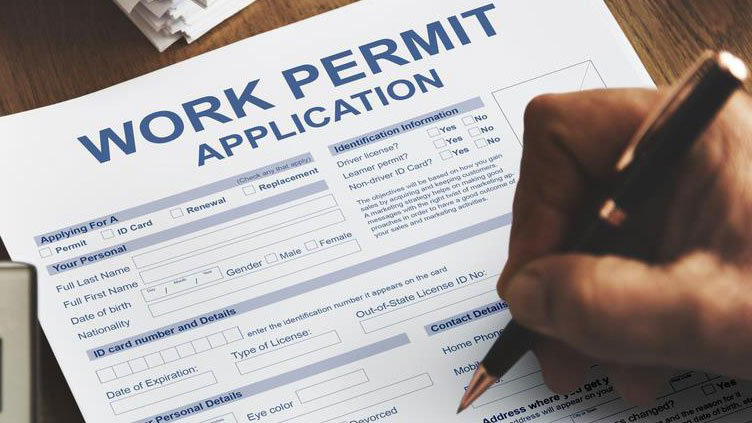
Foreign workers who wish to work in Vietnam for more than three months must obtain a work permit and a business visa. A work permit is issued by the Ministry of Labor, Invalids, and Social Affairs, while a business visa can be obtained at the Vietnamese embassy or consulate.

Vietnam Visa Application

The application process for a Vietnam visa can vary depending on your nationality and where you apply. Here are the general steps you need to follow to apply for a visa:

  1. Determine which type of visa you need based on your purpose of travel and length of stay.
  2. Prepare all the necessary documents such as a copy of your passport, completed application form, and photo.
  3. Submit your application at the nearest Vietnamese embassy or consulate in your country.
  4. Pay the required visa fees.
  5. Wait for your visa to be processed. This can take anywhere from 2-5 business days.
  6. Once your visa is approved, you will receive a visa sticker in your passport, which allows you to enter Vietnam.

Alternatively, if you are eligible for a Vietnam e-visa or visa on arrival (VOA), you can apply online. We will discuss these options further in the next sections.

Vietnam Visa Fees

The cost of a Vietnam visa will depend on the type of visa you are applying for and your nationality. Here is an estimate of the fees for different types of visas:

Type of Visa Single Entry Fee (USD) Multiple Entry Fee (USD)
Tourist $25 $50
Business $80 $100
Transit $20 $30
Student $60 $90

Additional fees may apply for express processing, same-day processing, or other services. It’s best to check the website of the Vietnamese embassy or consulate in your country for the most updated information on visa fees.

Visa Exemption Policy

Some nationalities are exempt from obtaining a visa to enter Vietnam for a certain period. This includes citizens of ASEAN countries, Russia, South Korea, Japan, and some European countries. However, the length of stay allowed for visa exemption varies for each country. You can check with the Vietnamese embassy or consulate in your country to see if you are eligible for visa exemption.

Vietnam Visa Extension

If you wish to extend your stay in Vietnam, you can apply for a visa extension at the Immigration Department of Vietnam. The process can take up to seven working days, and you will need to provide a valid reason for the extension. The fee for extending a visa can range from $10-$100 depending on the length of the extension.

Vietnam E-Visa

Vietnam e-visas are available for citizens of certain countries, including the United States, Canada, and Australia. The e-visa allows you to stay in Vietnam for up to 30 days and is valid for a single entry. You can apply for an e-visa online through the official website of the Vietnamese government.

Here are the steps to apply for a Vietnam e-visa:

  1. Visit the official website of the Vietnamese government for e-visa application.
  2. Fill out the online application form with your personal details and purpose of travel.
  3. Upload a scanned copy of your passport and photo.
  4. Pay the $25 processing fee.
  5. Wait for your e-visa to be processed. This can take up to three business days.
  6. Once approved, you will receive an email with a link to download your e-visa. Print it out and bring it with you on your trip.

Vietnam Visa On Arrival

Visa on arrival (VOA) is an option for those who do not have access to a Vietnamese embassy or consulate in their country. This type of visa can only be obtained if you are traveling to Vietnam by air. You will need to apply for a letter of approval from a travel agency or online visa service before your trip.

Here are the steps to obtain a VOA:

  1. Prior to your trip, apply for a letter of approval through a travel agency or online visa service. You will need to provide your personal details, passport information, and purpose of travel.
  2. Pay the processing fee, which can range from $10-$20.
  3. Once your letter of approval is ready, bring it with you and present it at the designated VOA counter at the airport upon arrival.
  4. Pay the stamping fee, which will depend on the type of visa you are applying for ($25 for single-entry, $50 for multiple-entry).
  5. Wait for your visa to be stamped in your passport, and you can then proceed with immigration.

Conclusion

Obtaining a visa is an essential part of traveling to Vietnam. It’s important to do your research and determine which type of visa suits your needs best. Remember to prepare all the necessary documents and follow the application process carefully to avoid any delays or issues. With this comprehensive guide, you are now well-equipped to navigate the Vietnam visa process and embark on your journey to this beautiful country.

???? Contact us:
???? Email: sales@visaonlinevietnam.org
???? WhatsApp: (+84)968 18 77 18
???????? USA: +1(972)-666-0676
, , , , , ,

Vietnam Embassy Visa A Comprehensive Guide

Vietnam, a land of captivating landscapes, rich history, and vibrant culture, welcomes travelers from all corners of the globe. To explore the wonders of this Southeast Asian gem, foreign nationals require a valid visa. The Vietnam Embassy plays a crucial role in facilitating the visa application process for individuals residing outside of Vietnam. This comprehensive guide will provide you with all the essential information you need to know about obtaining a Vietnam Embassy Visa, including the types of visas available, eligibility criteria, application procedures, and fees associated with the process.

Applying for a Vietnam Embassy Visa

Applying for a visa to enter Vietnam is a straightforward process, as long as you meet the necessary requirements. Once you’ve determined the type of visa you need, you can either apply online or through the Vietnam Embassy in your country. Here’s a breakdown of the steps involved and what you need to do to successfully obtain a Vietnam Embassy Visa.


Vietnam Embassy Visa Requirements

The general requirements for obtaining a Vietnam Embassy Visa include a valid passport with at least six months of validity remaining, a completed visa application form, and two passport-sized photos. However, specific requirements may vary depending on the type of visa you’re applying for. For example, a business visa may require an invitation letter from a Vietnamese company, while a student visa may require a confirmation of enrollment from a Vietnamese educational institution.

It’s also important to note that some countries have specific visa requirements for their citizens entering Vietnam. For instance, US citizens are required to present a pre-approval letter from the Immigration Department of Vietnam before applying for a visa. It’s essential to check with your nearest Vietnam Embassy for any additional requirements that may apply to you.

Vietnam Embassy Visa Fees

The Vietnam Embassy Visa fees vary depending on the type of visa and the processing method. Fees are typically paid in cash (in local currency) or via credit card. It’s advisable to have the exact amount in cash to avoid any delays in the application process.

Here’s a breakdown of the fees for the most common types of Vietnam Embassy Visas:

Visa Type Single Entry Fee (USD) Multiple Entry Fee (USD)
Tourist $25 $50
Business $80 $135
Work $95
Student $60 $120

Note: These fees are subject to change. Please check with your nearest Vietnam Embassy for the most up-to-date information.

Processing Time for a Vietnam Embassy Visa

The processing time for a Vietnam Embassy Visa can vary from a few days to several weeks, depending on the type of visa and the embassy’s workload. The quickest way to obtain a visa is through the online application system, which usually takes two to three business days. However, if you’re applying through the Vietnam Embassy, it may take anywhere from five to seven business days.

It’s always recommended to plan ahead and apply for your visa well in advance to avoid any last-minute complications. You can also opt for an expedited service at an additional cost if you need your visa urgently.

Validity of a Vietnam Embassy Visa

The validity of a Vietnam Embassy Visa depends on the type of visa and the number of entries allowed. For tourist visas, single-entry visas are valid for one month, while multiple-entry visas can be valid for up to three months. Business visas, on the other hand, can be valid for up to six months or one year, depending on the number of entries granted.

It’s essential to note that the duration of stay allowed may differ from the visa’s validity period. For example, a tourist visa may be valid for one month but only allow a maximum stay of 15 days. It’s essential to check the validity and duration of stay carefully to avoid any issues during your trip.

Extension of a Vietnam Embassy Visa

If you need to extend your stay in Vietnam, you can apply for a visa extension through the Vietnam Immigration Department. The process can be done online or through an agency and typically takes around seven business days. However, it’s important to note that not all visas can be extended, and there are specific requirements and limitations for each type of visa.

Documents Required for a Vietnam Embassy Visa

As mentioned earlier, the documents required may vary depending on the type of visa you’re applying for. However, here’s a general list of documents you may need to prepare:

  1. A completed visa application form.
  2. A valid passport with at least six months of validity remaining.
  3. Two passport-sized photos.
  4. Visa approval letter (if applicable).
  5. Invitation letter (for business visas).
  6. Confirmation of enrollment (for student visas).
  7. Proof of financial stability.
  8. Travel itinerary.
  9. Any additional documents requested by the embassy.

It’s always best to double-check with your nearest Vietnam Embassy for the specific documents required for your visa application.

Common Issues with Vietnam Embassy Visas

While obtaining a Vietnam Embassy Visa is generally a smooth process, there may be some common issues that applicants may encounter. These include:

  • Incomplete or incorrect information on the visa application form.
  • Insufficient documentation or failure to provide all necessary documents.
  • Visa fees not paid in full or in the correct currency.
  • Limited knowledge of the visa application process and requirements.
  • Applying for the wrong type of visa.

To ensure a hassle-free visa application process, it’s crucial to thoroughly research the requirements and procedures beforehand and seek assistance from reputable agencies if needed.

Conclusion

In conclusion, obtaining a Vietnam Embassy Visa is necessary for foreign nationals wishing to visit, work, or study in Vietnam. With the right knowledge and preparation, the process can be straightforward and stress-free. It’s essential to familiarize yourself with the types of visas available, the required documents, and any specific requirements for your country before applying for a visa.

Remember to plan ahead, pay attention to details, and seek assistance if needed. With a valid visa in hand, you can fully enjoy all that Vietnam has to offer, from its stunning landscapes to its rich cultural heritage.

???? Contact us:
???? Email: sales@visaonlinevietnam.org
???? WhatsApp: (+84)968 18 77 18
???????? USA: +1(972)-666-0676
, ,

Navigating the Intricacies of Vietnam Visa for a Seamless Trip

The charming country of Vietnam has become a popular travel destination in recent years, attracting tourists with its stunning landscapes, rich culture, and bustling cities. However, before embarking on your adventure to this enchanting nation, it is crucial to understand the intricacies of obtaining a Vietnam visa. From visa-exempt countries to various visa types and fees, this comprehensive guide aims to simplify the process and ensure a stress-free entry into Vietnam.

Vietnam Visa Requirements

To enter Vietnam, all foreign travelers must have a valid passport with at least six months of remaining validity and a visa. The type of visa required depends on your nationality, purpose of visit, and duration of stay. In general, there are three ways to obtain a Vietnam visa:

  1. Visa exemption for certain countries
  2. Visa on arrival (VOA)
  3. E-Visa

Let’s take a closer look at each option and its specific requirements.


Visa-Exempt Nationals

Citizens of certain countries are exempt from obtaining a visa for stays within a specified period. The list of visa-exempt countries includes:

Duration Countries
15 days Brunei, Cambodia, Laos, Malaysia, Myanmar, Singapore, Thailand
30 days Belarus, Denmark, Finland, France, Germany, Italy, Japan, Norway, South Korea, Russia, Spain, Sweden, United Kingdom

It is essential to note that if you wish to extend your stay beyond the specified period, you will need to apply for a visa. Additionally, citizens of some visa-exempt countries may require a visa if they have visited Vietnam multiple times within a short period. It is advisable to check the latest regulations before traveling to Vietnam.

How to Apply for a Vietnam Visa

If your nationality is not on the visa-exempt list, you will need to apply for a visa before traveling to Vietnam. The process varies depending on your country of residence, but in general, there are three ways to apply for a Vietnam visa:

  1. Embassy or Consulate – You can visit the nearest Vietnamese embassy or consulate in your country to apply for a visa. This option is suitable for those who have enough time before their trip and prefer to have a physical visa stamped in their passport.
  1. E-Visa – Citizens of 80 countries can now apply for an e-visa online, which eliminates the need to visit an embassy or consulate. The application process is entirely online, and the e-visa will be emailed to you within three working days. This option is suitable for those who plan to stay in Vietnam for up to 30 days and do not require multiple entries.
  2. Visa on Arrival (VOA) – If you are short on time or do not have a Vietnamese embassy or consulate in your country, you can opt for a VOA upon your arrival at designated international airports in Vietnam. This option is available for citizens of most countries for stays not exceeding 30 days for tourism or business purposes. We will discuss this option in detail later in the article.

Types of Vietnam Visas

Vietnam offers various types of visas to accommodate different purposes of travel, including tourism, business, study, and work. Here are the most common types of Vietnam visas:

  1. Tourist Visa (DL) – This visa is valid for single or multiple entries with a maximum stay of 30 days. It can be extended for a further 30 days if necessary.
  1. Business Visa (DN) – For business travel, you can apply for a single or multiple-entry visa, valid for a maximum stay of 90 days. It can also be extended for longer stays.
  1. Student Visa (DH) – This visa is suitable for those who wish to study in Vietnam for a period longer than three months. It requires a sponsor or a letter from a Vietnamese educational institution.
  1. Work Visa (LD) – Foreigners planning to work in Vietnam must obtain a work permit before applying for a work visa. The work visa is valid for two years and can be extended if necessary.

Vietnam Visa Fees

The cost of obtaining a Vietnam visa depends on various factors, such as your nationality, type of visa, number of entries, processing time, etc. Here is an approximate breakdown of the fees for different types of visas:

Type of Visa Validity Single Entry Fee Multiple Entry Fee
Tourist Visa (DL) 30 days $25 $50
Business Visa (DN) 90 days $80 $135
Student Visa (DH) 90 days $40 $70
Work Visa (LD) 2 years $150 $200

Additional fees may apply for rush processing or urgent stamping services. It is advisable to check the latest fees and regulations before applying for a Vietnam visa.

Vietnam Visa Processing Time

The processing time for a Vietnam visa varies depending on the method chosen and the type of visa applied for. Here are the general processing times for each option:

  1. Embassy/Consulate – It takes approximately five working days to process a visa at the embassy or consulate. However, it is advisable to apply well in advance to avoid any delays.
  1. E-Visa – The processing time for an e-visa is three working days. However, it is advisable to apply at least five days before your scheduled trip to allow for any unforeseen delays.
  1. Visa on Arrival (VOA) – The processing time for a VOA is one to two working days. However, this option is subject to approval from the Vietnam Immigration Department, which may cause delays in some cases.

Vietnam Visa Extensions

If you wish to extend your stay in Vietnam beyond the validity of your visa, you can apply for a visa extension. The process and requirements for a visa extension may vary depending on the type of visa and the duration of your stay. Here is a general outline of the extension process:

  1. Tourist Visa (DL) – You can extend your tourist visa for an additional 30 days at the Vietnam Immigration Office. You will need to present your passport, a completed application form, and pay the extension fee.
  1. Business Visa (DN) – Business visas can be extended for up to three months. You will need to submit an application through your sponsor or employer, along with your passport and the appropriate fees.
  1. Student Visa (DH) – If you have a valid reason for continuing your studies in Vietnam, you can apply for a visa extension at the Immigration Office. You will need to provide proof of enrollment and pay the extension fee.
  1. Work Visa (LD) – Work visas can be extended for up to two years. You will need to apply through your employer or sponsor, providing necessary documents and paying the extension fees.

It is essential to start the extension process at least seven days before the expiry date of your current visa.

Visa on Arrival

Visa on arrival (VOA) is a popular option for travelers who do not have enough time to apply for a visa or do not have a Vietnamese embassy or consulate in their country. It is also suitable for those who plan to stay in Vietnam for a short period and do not require multiple entries.

To apply for a VOA, you will need to obtain a visa approval letter from a travel agency or tour operator. This letter will allow you to board your flight to Vietnam and obtain a visa upon arrival at the airport. Here is the step-by-step process for obtaining a VOA:

  1. Apply for a visa approval letter through a reputable travel agency or tour operator.
  2. Upon receiving the visa approval letter, print it out and bring it with you to Vietnam.
  3. Upon arrival at the designated airport in Vietnam, head to the “Visa on Arrival” counter.
  4. Submit your passport, completed application form, two passport-sized photos, and the visa stamping fee (payable in cash).
  5. Wait for your visa to be processed, which should take around 15-20 minutes.
  6. Collect your passport with the visa stamped in it and proceed to immigration.

It is essential to note that this option is not available for overland entry into Vietnam. You can only apply for a VOA if you are arriving by air at one of the designated international airports.

E-Visa for Vietnam

Since February 2017, citizens of 80 countries can apply for an e-visa to enter Vietnam. This online system eliminates the need to visit an embassy or consulate and has made the visa application process more convenient for travelers. Here’s how you can apply for an e-visa:

  1. Visit the official Vietnamese government website for e-visa applications.
  2. Fill out the online application form with your personal information and travel details.
  3. Upload a scanned copy of your passport and a recent passport-sized photo.
  4. Pay the processing fee using a credit or debit card.
  5. Receive your e-visa via email within three working days.

It is crucial to check your e-visa carefully before traveling to ensure that all information is correct. You will need to present a printed copy of your e-visa upon arrival at the designated airport in Vietnam.

Conclusion

Obtaining a Vietnam visa may seem like a daunting task, but with the right information and planning, it can be a smooth and stress-free process. Whether you are eligible for visa exemption, need to apply for a visa in advance, or opt for a VOA or e-visa, it is essential to understand the requirements and regulations beforehand. With this comprehensive guide, we hope to have streamlined the process of obtaining a Vietnam visa, making your trip to this captivating country even more enjoyable. Happy travels!

???? Contact us:
???? Email: sales@visaonlinevietnam.org
???? WhatsApp: (+84)968 18 77 18
???????? USA: +1(972)-666-0676
, , , , ,

Vietnam to Grant E-visa for Citizens Easy Steps to Apply for a Vietnam e-Visa

🇻🇳 How to Get a Vietnam e-Visa: A Step-by-Step Guide for Foreign Travelers

In recent years, Vietnam has modernized its visa policies, making it easier for international travelers to enter the country. One of the most notable changes is the introduction of the Vietnam e-Visa system, allowing citizens of eligible countries to apply for a visa online and receive it electronically. This article will guide you through the Vietnam e-Visa process and show how easy it is to apply.


✅ What Is the Vietnam e-Visa?

The Vietnam e-Visa is an electronic travel authorization issued by the Vietnam Immigration Department. It allows foreigners to enter Vietnam for tourism, business, and short-term stays without having to visit an embassy or consulate.

  • Validity: Up to 90 days
  • Entry Type: Single or multiple entry
  • Fee: USD $25 (single entry), USD $50 (multiple entry)
  • Processing Time: 3 working days (standard), faster options available with trusted agents

Vietnam to Grant E-visa for Citizens Easy Steps to Apply for a Vietnam e-Visa


📌 How to Apply for a Vietnam e-Visa: Step-by-Step

Step 1: Access the Official Website

Visit the official Vietnam e-Visa portal.

⚠️ Only use the official site managed by the Vietnam Immigration Department. Be cautious of fraudulent websites.

Step 2: Upload Required Documents

You’ll need to upload:

  • A scanned copy of your passport data page (.jpg format)
  • A recent passport photo (4×6 cm, white background, no glasses)

Step 3: Fill in Personal and Travel Information

Enter the following details:

  • Full name, gender, date of birth
  • Passport number and expiration date
  • Intended entry and exit dates
  • Entry and exit ports in Vietnam
  • Temporary address in Vietnam (e.g., hotel name)

Step 4: Pay the Visa Fee

The standard fee is:

  • $25 for single-entry
  • $50 for multiple-entry

Payment is made online via international credit or debit card.

Step 5: Get Your Registration Code

After submitting your application and payment, you’ll receive a registration code via email. Use this code to:

  • Check your application status
  • Download your approved e-Visa

📄 Requirements for Vietnam e-Visa

Before applying, ensure you meet these conditions:

  • Passport valid for at least 6 months beyond arrival date
  • Clear passport scan and compliant photo (.jpg format)
  • Valid credit/debit card for payment
  • Email address to receive e-Visa
  • A temporary address in Vietnam (e.g., hotel or residence)

🌍 Countries Eligible for Vietnam e-Visa

As of October 2023, citizens from 80 countries can apply for a Vietnam e-Visa. Here are some notable ones:

🇺🇸 United States
🇬🇧 United Kingdom
🇦🇺 Australia
🇿🇦 South Africa
🇧🇷 Brazil
🇨🇦 Canada
🇲🇽 Mexico
🇯🇵 Japan
🇰🇷 South Korea
🇫🇷 France
🇩🇪 Germany
🇮🇳 India
🇳🇿 New Zealand
🇮🇱 Israel
🇦🇪 UAE
…and many more.

🔎 See the full list at: evisa.xuatnhapcanh.gov.vn


✈️ Entry & Exit Points for e-Visa Holders

Vietnam e-Visas are accepted at 46 designated ports, including:

Airports (8):

  • Noi Bai (Hanoi)
  • Tan Son Nhat (Ho Chi Minh City)
  • Da Nang
  • Cam Ranh
  • Phu Quoc
    …and more.

Land Borders (29):
Including crossings with China, Laos, and Cambodia.

Seaports (9):
Including Hai Phong, Da Nang, Nha Trang, and Ho Chi Minh seaports.

Vietnam to Grant E-visa for Citizens Easy Steps to Apply for a Vietnam e-Visa


🎁 Benefits of the Vietnam e-Visa

  • No embassy visit needed
  • Quick processing (3 working days)
  • Affordable fees ($25–$50 USD)
  • Convenient for travelers arriving by air, land, or sea

📝 Conclusion

The Vietnam e-Visa system has transformed the visa process for travelers, offering a faster, easier, and more cost-effective way to visit this beautiful country. Whether you’re traveling for tourism or business, the e-Visa provides an efficient solution — all from the comfort of your home.

✔️ Just make sure you apply a few days in advance, double-check your documents, and enjoy your journey to Vietnam!


Need expert help?
Get 24/7 assistance, expedited service, and 100% visa success with VisaOnlineVietnam.com.
📧 Email: sales@visaonlinevietnam.com
📱 WhatsApp: (+84) 968 18 77 18
📞 USA Hotline: +1(972)-666-0676.

, , , , , ,

Exploring the Flexibility of a Multiple Entry Visa for Vietnam

Vietnam has become an increasingly popular tourist and business destination for travelers from around the world. With its beautiful landscapes, bustling cities, and unique culture, it is no wonder that people are flocking to this Southeast Asian country. However, before planning your trip to Vietnam, it is important to understand the different types of visas available, including multiple entry visa.

How many types of multiple entry Vietnam visa?

A multiple entry Vietnam visa allows travelers to enter and exit the country multiple times within a certain period of time. This type of visa is convenient for those who plan on making multiple trips to Vietnam or who want the flexibility to leave and re-enter the country during their stay. There are seven types of multiple entry Vietnam visas, each with its own specific purpose and duration.

Introduction

1-month tourist visa

The 1-month tourist visa is a common choice for travelers who plan to spend a short amount of time in Vietnam. It allows for multiple entries into the country within a 30-day period. This visa is ideal for those who are visiting Vietnam for a vacation, as it gives them the option to leave and return without having to reapply for a visa.

3-months tourist visa

Similar to the 1-month tourist visa, the 3-months tourist visa allows travelers to come and go from Vietnam as many times as they want within a 90-day period. This visa is suitable for those who plan to spend a longer amount of time in Vietnam, such as students or digital nomads, and need the flexibility to travel in and out of the country.

1-year tourist visa (for US passport holders only)

For US citizens, there is the option of a 1-year tourist visa. This is exclusive to US passport holders and allows multiple entries into Vietnam within a 365-day period. This type of visa is convenient for those who have frequent business trips or family visits to Vietnam.

1-month business visa

The 1-month business visa is the most common type of visa for those traveling to Vietnam for business purposes. This visa allows for multiple entries within a 30-day period and is suitable for attending conferences, meetings, or conducting business negotiations in Vietnam.

3-months business visa

Similar to the 1-month business visa, the 3-months business visa allows for multiple entries within a 90-day period. This type of visa is ideal for those who need more time in Vietnam for their business activities.

6-months business visa

For those who plan to stay in Vietnam for an extended period of time for business purposes, the 6-months business visa may be a good option. This visa allows for multiple entries within a 180-day period, giving travelers the flexibility to come and go as needed.

1-year business visa

The 1-year business visa is the most long-term option for those traveling to Vietnam for business purposes. It allows for multiple entries within a 365-day period and is suitable for those who have ongoing business commitments in Vietnam.

Which type of multiple entry Vietnam visa are get most?

Out of all the types of multiple entry Vietnam visas, the 3-months tourist visa is the most commonly requested. This is because it gives travelers the perfect balance between flexibility and duration. With this visa, travelers can enter and exit Vietnam multiple times within a 90-day period without having to reapply for a visa each time.

Introduction

3-months tourist Vietnam visa

As previously mentioned, the 3-months tourist visa is the most popular choice for multiple entry visas in Vietnam. Let’s take a closer look at the advantages and disadvantages of this visa.

Advantages

  • Flexibility: The 3-months tourist visa allows travelers to enter and exit Vietnam multiple times within a 90-day period, giving them the freedom to plan their trip without worrying about reapplying for a visa.
  • Cost-effective: Compared to other types of multiple entry visas, the 3-months tourist visa is relatively affordable and provides good value for its duration.
  • Suitable for most travelers: This visa is suitable for both short-term and long-term travelers, making it a popular choice for anyone planning a trip to Vietnam.

Disadvantages

  • Limited duration: While the 3-months tourist visa is ideal for many travelers, it may not be enough time for those who plan to stay in Vietnam for longer than 90 days.
  • No extensions: Once the 90-day period is over, travelers must leave Vietnam and cannot extend their stay on this visa. They will have to apply for a different type of visa if they wish to continue their visit.

6-months and 1-year multiple business Vietnam visa

For those traveling to Vietnam for business purposes, the 6-months and 1-year multiple business visas are the most common choices. These visas provide longer durations for multiple entries and are suitable for those who need more time in Vietnam for their business activities.

Advantages

  • Longer duration: The 6-months and 1-year multiple business visas are ideal for travelers who have ongoing business commitments in Vietnam and need to make multiple trips within a longer period of time.
  • More cost-effective: Compared to single entry business visas, these multiple entry options offer better value for their duration.
  • Suitable for frequent travelers: For those who frequently travel to Vietnam for business, these visas provide the convenience of not having to reapply each time they enter the country.

Disadvantages

  • Higher cost: As these visas have longer durations, they are more expensive compared to other types of visas.
  • Limited to business activities: These visas are specifically for business purposes and cannot be used for tourism or other activities.

Introduction

How to get Vietnam single/multiple entry visa with vietnamvisaonline.com?

Applying for a Vietnam single or multiple entry visa can be a daunting task, especially if you are not familiar with the process. However, with vietnamvisaonline.com, the process is made quick and easy. Here is a step-by-step guide on how to obtain your Vietnam visa through this reliable service:

  1. Fill out the online application form: Simply visit vietnamvisaonline.com and fill out the secure online application form with your personal information, passport details, and travel plans.
  1. Make payment: Once your application is submitted, you will be directed to a payment page. You can pay securely using your credit card, debit card, or PayPal.
  1. Receive the approval letter: Within 2 business days (or even as quickly as 2 hours), you will receive an approval letter via email. This letter allows you to board a flight to Vietnam and pick up your visa upon arrival.
  1. Get your visa upon arrival: When you arrive at one of Vietnam’s international airports, present your approval letter, passport, and visa stamping fee to the immigration officer, and your visa will be stamped into your passport.

It’s that simple! With visaonlinevietnam.com, you can have your single or multiple entry visa to Vietnam in no time.

Conclusion

In conclusion, a multiple entry Vietnam visa is a convenient option for travelers who plan to enter and exit Vietnam multiple times within a certain period. There are seven types of multiple entry visas, each with its own purpose and duration. The most popular type of multiple entry visa is the 3-months tourist visa, followed by the 6-months and 1-year multiple business visas. If you are planning a trip to Vietnam, make sure to research and apply for the appropriate visa to ensure a smooth and hassle-free travel experience. And with the help of vietnamvisaonline.com, obtaining your visa is now easier than ever.

www.visaonlinetovietnam.com

, , , , , ,

A Brief Overview of Indian Political Map

India, a country in South Asia, is known for its rich cultural heritage, diverse landscapes, and bustling cities. With over 1.3 billion people, it is the second most populous country in the world. The political map of India plays a crucial role in understanding the country’s administrative divisions and its vast geographical expanse. In this article, we will take a closer look at the Indian political map, including its states, union territories, and state capitals.

States and Union Territories

India is divided into 29 states and seven union territories, each with its own unique culture, history, and administrative structure. The states are further divided into districts, which are then divided into smaller administrative units called talukas or tehsils. The union territories, on the other hand, are directly governed by the central government.


States

The following table lists all the states in India along with their respective capitals:

State Capital
Andhra Pradesh Amaravati
Arunachal Pradesh Itanagar
Assam Dispur
Bihar Patna
Chhattisgarh Raipur
Goa Panaji
Gujarat Gandhinagar
Haryana Chandigarh
Himachal Pradesh Shimla
Jammu and Kashmir Srinagar (Summer), Jammu (Winter)
Jharkhand Ranchi
Karnataka Bengaluru
Kerala Thiruvananthapuram
Madhya Pradesh Bhopal
Maharashtra Mumbai
Manipur Imphal
Meghalaya Shillong
Mizoram Aizawl
Nagaland Kohima
Odisha Bhubaneswar
Punjab Chandigarh
Rajasthan Jaipur
Sikkim Gangtok
Tamil Nadu Chennai
Telangana Hyderabad
Tripura Agartala
Uttar Pradesh Lucknow
Uttarakhand Dehradun
West Bengal Kolkata

Union Territories

The following table lists all the union territories in India along with their respective capitals:

Union Territory Capital
Andaman and Nicobar Islands Port Blair
Chandigarh Chandigarh
Dadra and Nagar Haveli and Daman and Diu Daman
Delhi New Delhi
Jammu and Kashmir Srinagar (Summer), Jammu (Winter)
Ladakh Leh
Lakshadweep Kavaratti
Puducherry Pondicherry

State Capitals

Each state in India has its own capital, which serves as the administrative center of the state. The state capitals are not only important from an administrative perspective but also hold significant historical and cultural significance. Let’s take a closer look at some of the state capitals in India.

New Delhi

New Delhi, the capital of India, is a bustling metropolis that serves as the seat of the central government. It is located in the northern part of the country and is a union territory. The city is known for its iconic landmarks such as the India Gate, Red Fort, and Qutub Minar. It is also home to numerous government buildings, including the Parliament House and the Rashtrapati Bhavan (President’s residence).

Mumbai

Mumbai, the capital of Maharashtra, is the financial and entertainment capital of India. It is located on the western coast of the country and is known for its vibrant nightlife, bustling markets, and iconic landmarks such as the Gateway of India and Marine Drive. Mumbai is also home to the Bollywood film industry, making it a popular tourist destination for both domestic and international travelers.

Bengaluru

Bengaluru, the capital of Karnataka, is known as the “Silicon Valley of India” due to its thriving IT industry. It is located in the southern part of the country and is known for its pleasant climate, beautiful gardens, and rich cultural heritage. The city is also home to numerous educational institutions, making it a hub for students from all over the country.

Indian Political Map

The Indian political map shows the boundaries of each state and union territory, along with their respective capitals. It also includes major cities, rivers, and other geographical features. The map is an essential tool for understanding the administrative divisions of the country and is widely used in schools, government offices, and other institutions.

As seen in the map, India shares its borders with several neighboring countries, including Pakistan, China, Nepal, Bhutan, Bangladesh, and Myanmar. The country’s coastline measures 7,517 kilometers in length, out of which 5,423 kilometers belong to the peninsular India, and the remaining 2,094 kilometers belong to the Andaman and Nicobar Islands and Lakshadweep islands. The Indian naval hydrographical charts show that the mainland coastline comprises of 43% sandy beaches, 46% mudflats or marshy shores, and 11% rocky shores.

Conclusion

In conclusion, the Indian political map is a crucial tool for understanding the country’s administrative divisions and its vast geographical expanse. With 29 states and seven union territories, India is a diverse and dynamic country that continues to grow and evolve. We hope this brief overview of the Indian political map has given you a better understanding of this beautiful country and its rich cultural heritage.

www.visaonlinetovietnam.com

, , , , , , ,

About 3 Months Vietnam Visa Everything You Need to Know

If you’re planning a trip to Vietnam, one of the first things you’ll need to take care of is your visa. While some countries have visa exemption agreements with Vietnam, most travelers will need to apply for a visa before entering the country. And for those looking to stay in Vietnam for an extended period of time, the 3 months visa is a popular choice. In this article, we will discuss everything you need to know about the 3 months Vietnam visa, including different types, requirements, and application processes.

About 3 Months Vietnam Visa: 3 Months Single and 3 Months Multiple

There are two main types of 3 months Vietnam visa: 3 months single entry and 3 months multiple entry. As the names suggest, a single entry visa allows you to enter Vietnam one time within a 3 month period, while a multiple-entry visa allows you to enter and exit the country multiple times during those 3 months.

About 3 Months Vietnam Visa Everything You Need to Know

When to Apply for a Single Entry Vietnam Visa?

A single entry visa is suitable for those who plan on staying in Vietnam for less than 90 days and do not intend to leave the country and re-enter during that time. Once you use your single entry visa, it cannot be used again and you will need to apply for a new one if you wish to return to Vietnam.

For example, if you obtain a 3 months single entry visa, you can enter Vietnam at any time within the 3 months and stay for up to 90 days. Once you leave the country, the visa will expire and you will need to apply for a new visa if you wish to return within that 3 month period.

When Do Foreigners Need to Apply for a Multiple-Entry Visa?

A multiple-entry visa is ideal for those who plan on traveling in and out of Vietnam several times within a 3 month period. This type of visa is suitable for business travelers, tourists visiting neighboring countries, or those who have family and friends living in Vietnam and plan on visiting them multiple times during their trip.

To better understand the use of a multiple-entry visa, let’s take a look at some real-life scenarios:

  • Scenario 1: “I am going to Vietnam and will be there for 2 months.” In this case, a single entry visa would be sufficient since the traveler plans on staying in Vietnam for less than 90 days.
  • Scenario 2: “I am traveling to Vietnam for a business trip for 2 weeks, then going to Thailand for a week, and coming back to Vietnam for another 2 weeks.” In this scenario, a multiple-entry visa would be more suitable as the traveler will be entering and exiting Vietnam multiple times within the 3 month period.

About 3 Months Vietnam Visa Everything You Need to Know

Information about 3 Months Single and 3 Months Multiple Vietnam Visa

Now that we’ve discussed the differences between the two types of visas, let’s dive into more specific details about each one.

Requirements for 3 Months Single Entry Vietnam Visa

To apply for a 3 months single entry visa, you will need the following documents:

  1. A valid passport with at least 6 months validity remaining
  2. A completed visa application form (available online or at the embassy/consulate)
  3. A passport-sized photo
  4. A copy of your flight ticket showing your arrival and departure dates from Vietnam
  5. Visa fee (varies depending on nationality and processing time)

Note that the requirements may vary slightly depending on the country you are applying from, so it’s best to check with the Vietnamese embassy or consulate in your area for specific details.

Requirements for 3 Months Multiple Entry Vietnam Visa

The requirements for a 3 months multiple entry visa are similar to the single entry visa, with the addition of an official letter of approval from a government agency, organization, or company in Vietnam. This letter must state the purpose of your visits and the duration of each visit.

In some cases, you may also need to provide proof of your financial ability to support yourself during your stay in Vietnam as well as a copy of your travel itinerary for your multiple entries.

How Many Ways to Apply for 3 Months Vietnam Visa?

There are two main ways to apply for a 3 months Vietnam visa: through the embassy/consulate or via Visa On Arrival (VOA). Each option has its own pros and cons, so it’s important to understand the differences before making your decision.

Applying for 3 Months Vietnam Visa at Vietnam Embassy/Consulate

If you prefer to have your visa in hand before your trip, then applying through the Vietnamese embassy or consulate is the way to go. You can either apply in person or by mail, depending on the rules of the specific embassy. The process usually takes around 5-7 working days, but may vary depending on your nationality and the volume of applications being processed at the time.

To apply for a visa through the embassy/consulate, you will need to follow these steps:

  1. Visit the website of your nearest Vietnamese embassy/consulate to download the application form and review the requirements.
  2. Complete the application form and gather all necessary documents.
  3. Submit your application either in person or by mail to the embassy/consulate.
  4. Pay the visa fee (cash or money order) and wait for your visa to be processed.

One of the biggest advantages of applying for a visa through the embassy/consulate is that you can obtain a physical visa stamp in your passport before your trip, giving you peace of mind and avoiding any potential issues at the airport. However, the downside is that the process can be lengthy and involves sending your passport away, which may not be ideal for some travelers.

About 3 Months Vietnam Visa Everything You Need to Know

Applying Visa On Arrival (VOA) for 3 Months Vietnam Visa

Visa On Arrival (VOA) is a popular option for those who do not have access to a Vietnamese embassy or consulate in their country of residence. It is also the preferred choice for many travelers due to its convenience and faster processing time.

To apply for a VOA, you will need to go through an agency that provides visa services for Vietnam. The process is simple and can be done entirely online:

  1. Visit a reputable visa service website and fill out the online application form.
  2. Pay the visa service fee (varying prices depending on the type of visa and processing time).
  3. Wait for the agency to process your application and send an approval letter to your email within 2-3 working days.
  4. Print the approval letter and bring it with you to Vietnam.
  5. Upon arrival at the airport, present your approval letter, passport, and visa stamping fee (cash only) at the VOA counter to receive your visa stamp.

One of the main advantages of VOA is its speed and convenience. You can easily apply from home without having to send your passport away and can receive your approval letter quickly. However, there is a chance of delays or issues if your information is not entered correctly on the application, so it’s important to double-check all details before submitting.

Conclusion

In conclusion, obtaining a 3 months Vietnam visa is essential for anyone planning on staying in the country for an extended period of time. With both single and multiple entry options available, you can choose the visa that best suits your travel plans. Whether you choose to apply through the embassy/consulate or via Visa On Arrival, make sure to gather all necessary documents and understand the requirements to ensure a smooth and hassle-free application process. Now that you know all about the 3 months Vietnam visa, you can start planning your trip and look forward to exploring this beautiful country.

www.visaonlinetovietnam.com

, , , , ,

Vietnam Visa for Ireland Citizens A Detailed Guideline

Are you an Irish citizen planning to visit Vietnam? Do you need a visa to enter the country? If so, this article is for you. Vietnam has become an increasingly popular tourist destination in recent years, attracting visitors from all over the world. As an Irish citizen, it’s important to know the visa requirements and application process before traveling to Vietnam. In this article, we will provide you with a detailed guideline on how to obtain a Vietnam visa for Ireland citizens.

Do Irish Citizens Need a Visa to Visit Vietnam?

The short answer is yes, Irish citizens do need a visa to enter Vietnam. Vietnam has a list of visa exemption policies for certain countries, but unfortunately, Ireland is not one of them. This means that all Irish passport holders are required to obtain a visa before entering Vietnam, regardless of the purpose of their trip.

To make things easier, we have provided a table below that lists the countries whose citizens are exempt from obtaining a visa when visiting Vietnam, along with the length of stay allowed.

Vietnam Visa for Ireland Citizens A Detailed Guideline

Country Length of Stay
Brunei 14 days
Belarus 15 days
Cambodia 30 days
Denmark 15 days
Finland 15 days
France 15 days
Germany 15 days
Indonesia 30 days
Italy 15 days
Japan 15 days
Kyrgyzstan 30 days
Laos 30 days
Malaysia 30 days
Myanmar 14 days
Norway 15 days
Philippines 21 days
Russia 15 days
Singapore 30 days
South Korea 15 days
Spain 15 days
Sweden 15 days
Thailand 30 days
United Kingdom 15 days

If you are not an Irish citizen but live in Ireland, we recommend checking the table above to see if your nationality is exempt from obtaining a visa for Vietnam.

How Many Ways to Apply for Vietnam Visa for Ireland Citizens?

There are several ways to apply for a Vietnam visa as an Irish citizen. Here are the three most popular options:

Applying Directly at Vietnam Embassy/Consulate in Ireland

One way to obtain a Vietnam visa is by applying directly at the nearest Vietnam Embassy or Consulate in Ireland. This option is recommended for those who prefer to have their visa in hand before traveling and want to avoid any potential issues upon arrival in Vietnam.

Vietnam Visa for Ireland Citizens A Detailed Guideline

Procedure to Apply Visa to Vietnam at Embassy/Consulate

To apply for a Vietnam visa at the Embassy or Consulate, you will need to follow these steps:

  1. Download and fill out the visa application form from the Embassy or Consulate’s website.
  2. Prepare the required documents, including your passport, two passport-sized photos, and the visa fee.
  3. Submit the completed application form and supporting documents to the Embassy or Consulate.
  4. Pay the visa fee and wait for the processing time, which can take anywhere from 3 to 5 business days.
  5. Once your visa is approved, you can collect it from the Embassy or Consulate or have it mailed to you.

It’s important to note that the visa fees and processing times may vary depending on the type of visa you are applying for and the specific requirements of the Embassy or Consulate. We recommend contacting them directly for more information.

Applying for Vietnam Visa on Arrival in Ireland

Another popular option for Irish citizens is to apply for a Vietnam visa on arrival. This process involves obtaining a visa approval letter online and then getting the actual visa upon arrival at one of Vietnam’s international airports.

Vietnam Visa Approval Letter

To obtain a visa approval letter, you will need to follow these steps:

  1. Fill out the online application form and make the payment for the visa approval letter.
  2. Wait for the processing time, which can take anywhere from 2 to 3 business days.
  3. Once your visa is approved, you will receive the visa approval letter via email.
  4. Print out the letter and bring it with you to Vietnam.

Upon arrival at one of Vietnam’s international airports (Hanoi, Ho Chi Minh City, or Da Nang), you will need to present your visa approval letter, two passport-sized photos, and the visa stamping fee to the immigration officer. Your visa will then be stamped in your passport, and you can enter the country.

Vietnam Visa for Ireland Citizens A Detailed Guideline

Vietnam E-visa on Arrival by Land

If you are planning to enter Vietnam by land, you can also apply for an e-visa on arrival. This process is similar to obtaining a visa on arrival at the airport, but it requires an additional step of applying for an e-visa before traveling.

To apply for an e-visa, you will need to follow these steps:

  1. Visit the official website of the Vietnam Immigration Department and fill out the online application form.
  2. Upload a scanned copy of your passport and a passport-sized photo.
  3. Pay the visa fee and wait for the processing time, which can take up to 3 business days.
  4. Once your e-visa is approved, you will receive an electronic visa code via email.
  5. Print out the e-visa code and bring it with you to the border checkpoint when entering Vietnam.

The e-visa is only valid for single entry and for a maximum stay of 30 days. It’s important to note that not all nationalities are eligible for an e-visa, so we recommend checking the list of eligible countries on the Vietnam Immigration Department’s website before applying.

Conclusion

In conclusion, Irish citizens are required to obtain a visa before entering Vietnam. There are several ways to apply for a Vietnam visa, including applying directly at the Embassy or Consulate, obtaining a visa on arrival, or applying for an e-visa. We hope this detailed guideline has helped you understand the process of obtaining a Vietnam visa for Ireland citizens and choose the most suitable option for your trip. Remember to plan ahead and apply for your visa in advance to avoid any last-minute complications. Happy travels!

www.visaonlinetovietnam.com

, , , , ,

How Soon Should You Apply for a Vietnam Visa?

Vietnam is becoming a popular tourist destination, with about 10 million visitors arriving every year. However, many travelers are not aware of the right time to apply for a Vietnam visa before their intended travel date. In this article, we will guide you through the different types of Vietnam visa, their validity period, and the recommended time to apply for your visa to ensure a hassle-free trip.

Period of Vietnam Visa Validity and Duration of Stay

Before we dive into how soon you should apply for a Vietnam visa, it is essential to understand the period of validity and duration of stay for your visa. The validity period of your visa refers to the period in which you can enter and exit Vietnam. On the other hand, the duration of stay is the number of days you are allowed to stay in the country from the date of entry.

There are three types of visas available for tourists visiting Vietnam – 1 month, 3 months, and 6 months. The table below summarizes the period of validity and duration of stay for each type of visa.

Type of Visa Period of Validity Duration of Stay
1 Month 1 month 30 days
3 Months 3 months 90 days
6 Months 6 months 180 days

It is important to note that the duration of stay for a 6-month visa can be split into multiple entries, with each stay not exceeding 30 days. Moreover, if you plan to stay longer than the duration of stay stated on your visa, you will have to extend your visa or apply for a new one before the expiration date.

How Soon Should You Apply for a Vietnam Visa? A Comprehensive Guide

Vietnam Visa Period: How Many Types of Visas?

As mentioned earlier, there are three types of visas available for tourists traveling to Vietnam – 1 month, 3 months, and 6 months. However, each type has further categories based on the purpose of your visit. The following table provides an overview of the different types of visas and their sub-categories:

Type of Visa Sub-category Purpose
1 Month Single Entry Tourism
Multiple Entries Business
3 Months Single Entry Tourism
Multiple Entries Business
6 Months Single Entry Tourism
Multiple Entries Business

The single entry visa allows you to enter Vietnam only once during the validity period, while the multiple entries visa allows you to enter and leave the country multiple times as long as your visa is valid.

How Long Will You Get Vietnam Visa?

After submitting your visa application, the processing time for a Vietnam visa can vary depending on the type of visa you require. Here’s an estimated time frame for each type of visa:

  • 1-month visa: It takes about 2-3 working days to process.
  • 3-month visa: The processing time is around 3-5 working days.
  • 6-month visa: The processing time is approximately 7 working days.

However, these are just general estimates, and it is recommended to check with the issuing authority for the exact processing time. Moreover, during peak season, such as holidays or festivals, the processing time may increase, so it is advisable to apply for your visa well in advance.

Applying for Vietnam Visa on Arrival

One of the most convenient ways to obtain a Vietnam visa is through the Visa on Arrival (VOA) service. This service is applicable for air travelers who arrive at one of the international airports in Vietnam – Hanoi, Ho Chi Minh City, or Da Nang. Here’s a step-by-step guide on how to apply for a Vietnam visa on arrival:

  1. Fill out the online application form: You can find the application form on the website of any reliable VOA service provider. The form requires basic personal information and travel details.
  1. Pay the visa processing fee: The VOA service comes with a processing fee, which varies depending on the type of visa you require. You can make the payment using a credit card or PayPal.
  1. Receive your visa approval letter: After submitting your application and making the payment, you will receive a visa approval letter via email within 2-3 working days. This letter allows you to board your flight to Vietnam.
  1. Get your visa stamped upon arrival: Upon arrival at the airport, present your visa approval letter, along with your passport and two passport-sized photos. You will need to pay a stamping fee to get your visa stamped.

How Soon Should You Apply for a Vietnam Visa? A Comprehensive Guide

Applying for Vietnam e-Visa

In addition to the VOA service, tourists can also apply for a Vietnam e-Visa, which is an electronic visa that allows you to enter Vietnam for tourist purposes. This facility is available for citizens of 80 countries, including the United States, Canada, and Australia. Here’s how you can apply for a Vietnam e-Visa:

  1. Visit the official website: To apply for an e-Visa, you must visit the official website of the Vietnamese government (https://evisa.xuatnhapcanh.gov.vn/).
  1. Fill out the online application form: Provide all the necessary information, including personal details, travel plans, and upload a scanned copy of your passport.
  1. Make the payment: The processing fee for an e-Visa is $25, which must be paid online using a credit card or debit card.
  1. Receive your e-Visa: Once your application is approved, you will receive an email containing your e-Visa in PDF format. You can print this document and present it upon arrival at the airport.

Applying for Vietnam Visa at Vietnam Embassy/Consulate

If you prefer to have your visa ready before traveling to Vietnam, you can apply for a visa at the nearest Vietnam embassy or consulate. Here’s how you can do that:

  1. Visit the Vietnamese embassy or consulate: You can find the contact information of the nearest embassy or consulate on the website of the Vietnamese Ministry of Foreign Affairs (https://vietnamvisa.govt.vn/vietnam-embassy/).
  1. Fill out the application form: Collect a visa application form from the embassy or consulate, and fill it out with all the necessary details.
  1. Prepare the required documents: Along with the completed application form, you will need to submit your passport, two passport-sized photos, and the processing fee.
  1. Wait for the visa processing: The processing time for a Vietnam visa at the embassy or consulate may vary, so make sure to plan accordingly.

How Soon Should You Apply for a Vietnam Visa? A Comprehensive Guide

How Many Days before Travel Date Do You Need to Get Vietnam Visa?

Now that we have discussed the various ways to apply for a Vietnam visa, let’s get back to our main question – how soon should you apply for a Vietnam visa before your travel date? Generally, it is recommended to apply for your visa at least 1-2 weeks before your intended travel date. This allows enough time for processing and any unexpected delays.

However, if you are planning to visit Vietnam during peak season, such as holidays or festivals, it is advisable to apply for your visa even earlier, as the processing time may increase. Moreover, if you are applying for an e-Visa or through the embassy/consulate, it is best to check the processing time and plan accordingly.

Conclusion

In conclusion, obtaining a Vietnam visa is an essential step in planning your trip to this beautiful country. It is advisable to apply for your visa at least 1-2 weeks before your intended travel date to avoid any last-minute hassles. You can choose from different types of visas, such as a 1-month, 3-month, or 6-month visa, depending on your travel plans. Additionally, you can also opt for the convenient Visa on Arrival service or apply for an e-Visa or through the embassy/consulate. With this comprehensive guide, we hope that you now have a better understanding of how soon you should apply for a Vietnam visa. Happy travels!

, ,

How to Apply for Vietnam Visa on Arrival from France in 2025

✈️ How to Apply for Vietnam Visa on Arrival from France in 2025

Step 1: Apply Online

Visit our website: https://visaonlinevietnam.com
Click “Apply Vietnam Visa” and choose your visa type.

Step 2: Choose Your Service Type

Select from:

  • Tourist visa

  • Business visa

  • Urgent / Emergency processing (4–8 working hours)

Step 3: Complete the Application

You’ll need to:

  • Fill in the online form with your name, passport details, and arrival date

  • Select your visa type (single/multiple entry, 1–3 months)

  • Make payment securely by card or PayPal

Vietnam Visa How to Get a Vietnam Visa from France in 2023

Step 4: Receive the Approval Letter

In 1–2 business days (or sooner with urgent service), you’ll receive an official visa approval letter via email from:
📩 sales@visaonlinevietnam.com

Print the letter and prepare the following documents for arrival:

  • Original passport (valid 6+ months)

  • Two passport photos (4×6 cm)

  • Visa approval letter

  • Stamping fee in cash (USD)

Step 5: Get Your Visa Stamped on Arrival

Present all documents at the Visa on Arrival counter at one of Vietnam’s international airports:

  • Noi Bai Airport (Hanoi)

  • Tan Son Nhat Airport (Ho Chi Minh City)

  • Da Nang Airport

  • Cam Ranh Airport (Nha Trang)

  • Phu Quoc Airport

Your visa will be stamped in your passport, and you’re ready to enter Vietnam!


💡 Why Choose VisaOnlineVietnam?

  • 20+ years of experience

  • Official approval from Vietnam Immigration Department

  • 100% visa guarantee or refund

  • 24/7 support via WhatsApp and email

  • ✅ Services in English, French, and multilingual support

Vietnam Visa How to Get a Vietnam Visa from France in 2023


📌 Useful Tips for French Travelers

  • If you’re staying under 45 days, you may qualify for visa-free entry

  • Apply for your visa at least 7 days before departure

  • Use our Urgent Visa Service if traveling within 1–2 days

  • Save time at the airport with our VIP Fast-Track Airport Service


📞 Contact Us for Fast Support

📩 Email: sales@visaonlinevietnam.com
📱 WhatsApp: (+84) 968 18 77 18
📞 USA Hotline: +1(972)-666-0676
🌐 Apply Now: https://visaonlinevietnam.com


🧳 Final Thoughts

Getting a Vietnam visa from France has never been easier. With Visa on Arrival and our online application system, French travelers can now avoid long waits, embassy visits, and paperwork. Whether you’re heading to Vietnam for tourism, business, or an extended stay — we’re here to make your visa application fast, simple, and secure.

👉 Apply today at VisaOnlineVietnam.com and start your Vietnam adventure stress-free!